Back
Frizzy Hair: Causes, Remedies & the Best Oil to Use | Parachute Advansed

Apr 2, 2026

8

Biswajit Singh
Struggling with Frizziness? Breaking Down Causes & Solutions

Frizz can make even a good hair day feel difficult. Whether it's the monsoon humidity in Mumbai, winter dryness in North India, pollution, heat styling, or frequent washing, frizzy hair problems affect women across different hair types and seasons.
The good news is that frizz is not a permanent hair condition. Understanding why it happens can help you build a routine that supports smoother, more manageable hair. From maintaining moisture balance and adopting gentle hair care habits to choosing the right hair oil for frizzy hair, small changes can make a noticeable difference over time.
How Does Hair Become Frizzy?
Frizzy hair occurs when the outer layer of the hair shaft, known as the cuticle, becomes raised instead of lying flat. This causes strands to appear rough, puffy, and difficult to manage.
When the cuticle remains lifted, hair becomes more vulnerable to environmental factors such as humidity, heat, and friction. As a result, the strands lose their smooth appearance and become harder to control throughout the day.
- Moisture moves in and out of the strand more easily
- The hair shaft swells
- Flyaways become more visible
- Hair feels rougher and harder to style
This explains why humid weather often makes frizz more noticeable.
Although often confused, dry hair and frizzy hair are not the same. Dry hair lacks adequate moisture and natural oils. Frizzy hair develops when hair absorbs moisture unevenly, causing strands to swell. Dry hair can contribute to frizz, but not all frizzy hair is dry.
Common Signs of Frizz
- Flyaways and stray strands
- Rough texture
- Lack of shine
- Difficulty styling
- Increased tangling
- Hair expanding in humid weather
What Causes Frizzy Hair?

Understanding the causes behind frizzy hair problems can help you make better decisions about daily hair care.
-
Lack of Moisture
When hair lacks moisture, it draws water from the surrounding environment. This often makes frizz more noticeable.
-
Humidity
Humidity is one of the most common triggers of frizzy hair, especially during the Indian monsoon season. Excess moisture in the air causes the hair shaft to swell unevenly.
-
Hair Damage
Frequent colouring, bleaching, straightening, and other chemical treatments can weaken the hair cuticle, increasing the likelihood of frizz.
-
Excessive Shampooing
Over-cleansing may remove the natural oils that help maintain smoothness and hydration.
-
Heat Styling
Regular exposure to high temperatures from styling tools can damage the hair cuticle over time.
-
Pollution, UV Exposure, and Hard Water
Environmental factors such as pollution, sun exposure, and mineral deposits from hard water can affect hair texture and make frizz harder to manage.
-
Hair Texture and Seasonal Weather Changes
Wavy and curly hair textures are naturally more prone to frizz. Seasonal changes can also impact how much moisture hair retains.
Simple DIY Remedies for Dry and Frizzy Hair

While there is no single solution for frizz, these home remedies for dry and frizzy hair can help support smoother-looking hair.
-
Use a Gentle Shampoo
Choose products that cleanse effectively without leaving hair overly dry.
-
Condition Regularly
Conditioner helps smooth the hair surface and improve softness.
-
Reduce Heat Styling
Limiting the use of heat tools can help reduce further damage.
-
Use a Wide-Tooth Comb
This helps detangle hair more gently, especially when it is wet.
-
Sleep on a Satin Pillowcase
Less friction overnight may help minimise tangles and frizz.
-
Stay Hydrated
Good hydration supports overall hair and scalp health.
-
Follow a Consistent Oiling Routine
Applying a coconut-based hair oil before washing may help support nourishment and softness.
-
Use Nourishing Hair Masks
Weekly masks can complement your regular hair care routine.
Can Hair Oil Help Reduce Frizz?

Many people experiencing frizzy hair problems wonder whether oiling can help.
While hair oil cannot eliminate frizz permanently, it can support better moisture retention and improve manageability when used as part of a consistent routine.
How Do Hair Oils Support Frizz Management?
- Help reduce moisture loss
- Support softer-feeling hair
- Improve manageability
- Smooth the appearance of flyaways
- Help reduce breakage caused by dryness
- Provide protection against environmental stressors
A coconut-based hair oil is widely preferred because of its nourishing properties and ability to support hair health. Some studies suggest that coconut-derived oils may help reduce protein loss in hair, which can contribute to stronger-looking strands over time.
Choosing the Best Oil for Frizzy Hair

Finding the best oil for frizzy hair involves looking beyond marketing claims and focusing on ingredients that support nourishment and manageability.
When evaluating options, look for:
|
What to Look For |
Why It Matters |
|
Deep nourishment |
Supports healthier-looking hair |
|
Lightweight feel |
Helps avoid excessive greasiness |
|
Hair-strengthening support |
May help reduce breakage |
|
Damage protection |
Important for hair exposed to styling and pollution |
|
Suitability for Indian weather |
Helpful across summer, winter, and monsoon |
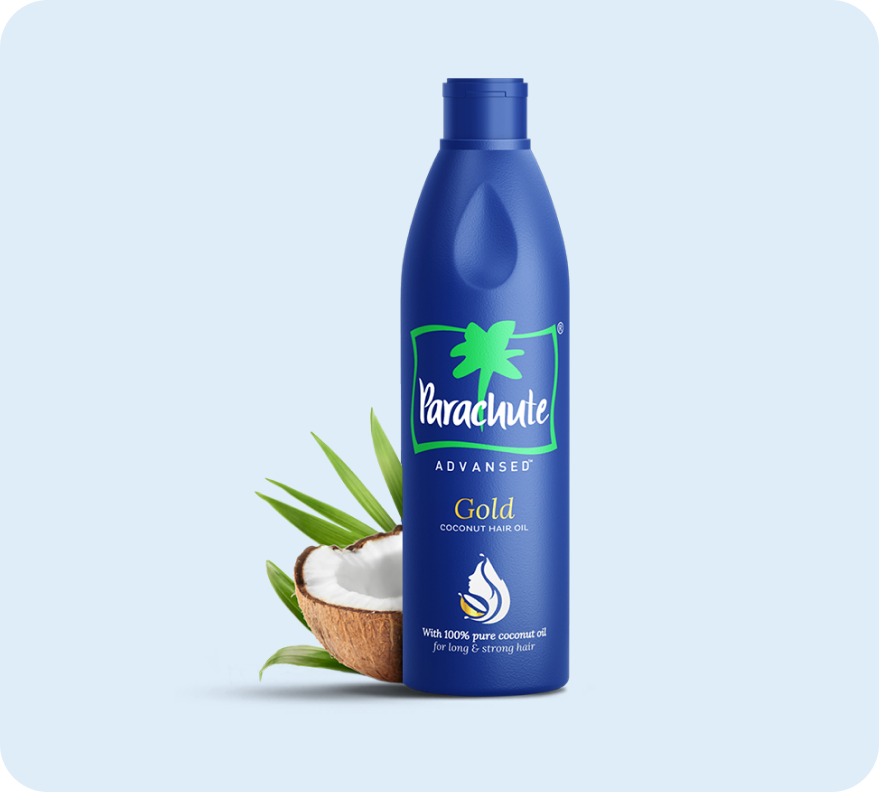
One option often considered by women looking for a hair oil for frizzy hair is Parachute Advansed Gold Coconut-Based Hair Oil.
This formulated coconut-based oil goes 10X deeper to provide nourishment from within. The product is also positioned to help protect hair against damage associated with styling, pollution, sun exposure, and changing seasonal conditions.
Another practical benefit is convenience: 30 minutes before shampooing is sufficient, and overnight oiling is not required.
As with any hair care product, individual results vary based on hair type, existing damage, and overall hair care practices.
Conclusion
Managing frizzy hair problems starts with understanding their root causes. Humidity, dryness, pollution, heat styling, chemical treatments, and daily hair care habits can all contribute to frizz.
A consistent routine focused on moisture balance, gentle cleansing, conditioning, and damage prevention can make a meaningful difference. Alongside these habits, choosing a suitable coconut-based hair oil can support smoother-looking, more manageable hair.
If you're looking for the best oil for frizzy hair, focus on nourishment, hair strength, and suitability for your hair type rather than quick fixes. With patience and consistency, healthier-looking hair is absolutely achievable.
Frequently Asked Questions
-
Why is my hair always frizzy?
Hair can become consistently frizzy due to dryness, humidity, heat styling, chemical treatments, hard water, or naturally textured hair. Identifying the underlying cause can help you choose the right care routine.
-
Which is the best oil for frizzy hair?
The best oil for frizzy hair depends on individual hair needs. Lightweight, nourishing oils that support moisture retention and hair strength are generally preferred.
-
Can coconut-based hair oil reduce frizz?
A coconut-based hair oil can help support moisture retention, improve manageability, and smooth the appearance of flyaways. However, it does not permanently eliminate frizz.
-
How often should I oil frizzy hair?
Many people oil their hair once or twice a week, but frequency depends on hair texture, scalp type, and personal preference.
-
Does humidity make hair frizzy?
Yes. Humidity can cause hair to absorb excess moisture from the air, leading to swelling of the hair shaft and increased frizz.
DISCLAIMER:
Our team picks and curates content we think you will like. Opinions expressed within the content are the creator’s views and do not reflect the opinions and beliefs of the website or that of Marico Limited.

SHARE NOW


Vitamin E for Hair: Benefits & How to Use it
Explore the top 5 benefits of vitamin E for hair, including promoting scalp health, boosting growth, reducing greying, and improving hair quality. Learn how to add vitamin E to your routine for healthier, stronger hair.
Sep 2, 2025
10 mins
SHARE NOW
Aloe Vera for Scalp: The Magical Benefits of Aloe Vera Hair Oil for Scalp
Experience the wonders of aloe vera for scalp health. Learn how aloe vera hair oil soothes, nourishes, and promotes a healthy scalp for stronger, shinier hair.
Feb 23, 2023
10 mins
SHARE NOW




6 Best Hair Care Products for Healthy Hair & Scalp | Parachute Advansed
Discover 6 must-have hair care products for healthy hair, from a nourishing coconut hair oil to serums and masks that support scalp nourishment and shine.
Apr 8, 2026
7 min
SHARE NOW

Hair Fall in Teenagers: Causes, Remedies & Care Tips | Parachute Advansed
Worried about hair loss in teenagers? Learn the common causes, a healthy teenage hair care routine, and Ayurvedic hair oil tips for stronger-looking hair.
Apr 25, 2026
7 min
SHARE NOW