Hair Fall
Understanding Hair Fall
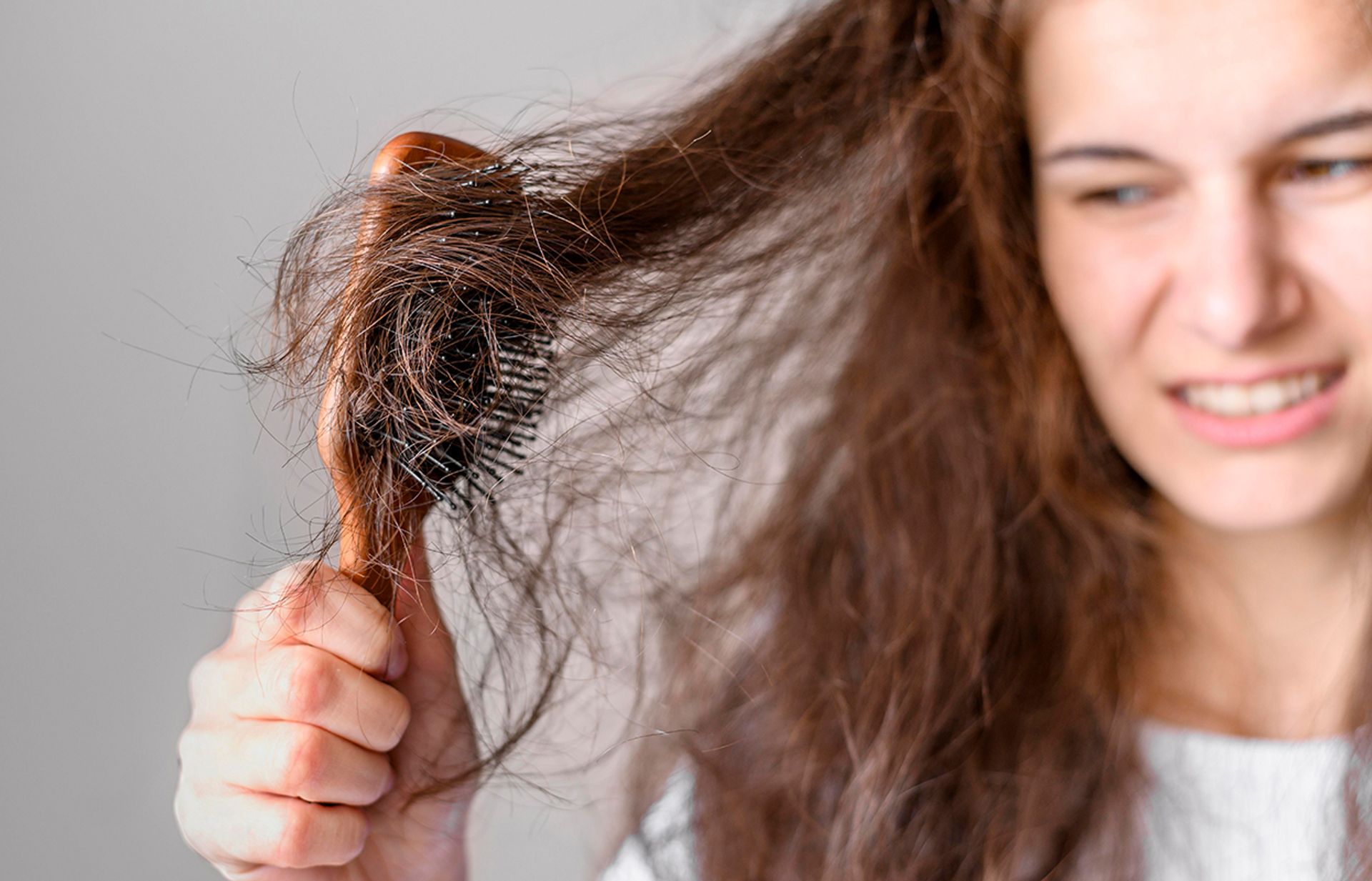
Hair is more than just a protein structure growing on your scalp; it's a part of your identity and an extension of your personality. Experiencing hair fall, hence, can be distressing and can affect your confidence and sense of well-being. Hair fall is one of the most widely experienced hair issues, and can be caused by several factors. Some of the most common reasons behind hair fall are poor lifestyle, nutritional deficiencies, unmanaged stress, and improper hair care routine. While it is an unwelcome situation, it is completely possible to take corrective measures and address hair fall. As we move forward, we will be understanding the reasons for hair fall in detail, how to prevent hair fall and restore the health and vitality of your hair.
Hair Fall Causes
1
Pollution
Pollution can adversely affect your hair’s overall health and cause hair damage, scalp flakiness, and weakened hair follicles. Polluted air contains fine dust and chemical particles that result in deteriorating hair health, leading to hair fall eventually.
2
Extreme Stress
High levels of stress trigger hormonal imbalances and disrupt the hair growth cycle, leading to conditions like telogen effluvium, where hair prematurely enters the resting phase (telogen) and falls out.
3

Nutritional Deficiencies and Hair Fall
When the body does not get a sufficient amount of nutrients, it may result in increased hair fall in women and men. Essential nutrients such as vitamins (A, C, D, E), minerals (iron, zinc), and proteins are vital for hair health. The absence of these nutrients can weaken hair follicles, disrupt growth cycles, and can lead to hair fall.
4
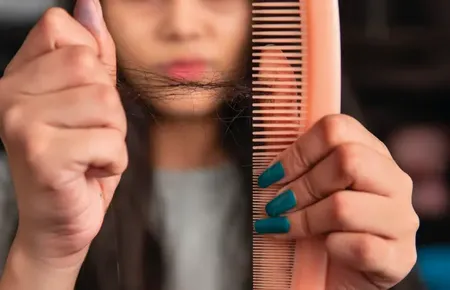
Others
Hormonal disorders such as PCOS, unregulated thyroid levels, and other hormonal imbalances as well as several underlying health concerns, may trigger hair fall. Women may also experience an increased amount of hair fall during phases like the postpartum period and menopause.
5
Washing Hair Too Often
Increased dry hair can also be a result of overwashing. This practice can strip hair of its sebum—which isn't healthy for overall hair health. Keeping sebum level in check is vital, but if you wash your hair every day, you can imbalance the sebum level, which results in brittle or rough hair problems.
Solution For Hair Fall
While hair fall can happen due to various reasons, a holistic lifestyle and proper hair care can largely help curb the problem. Lifestyle practices such as a wholesome and nutritious diet, regular movements, good sleep, and effective stress management can positively control hair fall. Let’s take a look at the possible hair fall solutions

Get Enough Sleep
Lack of sleep takes a toll on your hairs health by disrupting the natural growth cycle. To prevent this, aim for seven to eight hours of quality sleep to support healthy hair growth. You can improve your sleep by limiting screen time, avoiding caffeinated drinks in the evening, and focussing on a healthy diet and adequate movement throughout the day.
Manage Your Stress Levels
Managing stress is crucial for maintaining healthy hair. Stress not only affects our body but also our hair follicles and disrupts the hair growth cycle. An unregulated level or the Cortisol hormone i.e. the stress hormone, can disturb the hair's natural growth cycle. To manage your stress levels effectively, consider engaging in physical activities such as yoga, workouts, cycling, or simply taking a walk. Practices such as meditation and breathwork also help in calming the mind.

Consume a Balanced Diet
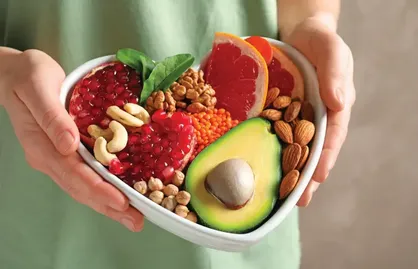
Diet plays a key role in the growth and health of our hair. When our body lacks essential nutrients, it can cause hair to fall out. By incorporating a diet rich in essential nutrients like protein, vitamin D and vitamin C, zinc, minerals, and essential fatty acids, you can provide your hair with the nourishment it needs, which will eventually lead to a reduction in hair fall.
Maintain Hair Hygiene
Healthy hair begins with a healthy scalp. An untidy scalp can attract more dirt, dust, and oil, eventually resulting in hair woes like dandruff and hair fall. Washing your hair on a regular basis is important, as it keeps the scalp clean and the sebum level in check.

Other Practices
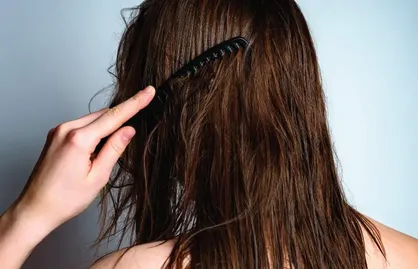
While caring for your hair, the small practices add up. Avoid combing your wet hair as it can contribute to breakage. Use a wide-tooth comb to comb your semi-dry hair. Use a microfiber towel to dry your hair and avoid vigorous rubbing. While washing your hair, avoid using hard water as it can leave hair dry and brittle. Consider installing a hard water filter at your home shower. Some also do periodic lemon or vinegar rinses to remove the buildup caused by hard water.
Hair Care for Hair Fall

A well-rounded hair care routine makes up for a big part of catering to your hair's needs. This includes regular oil massages, washing hair as needed, replenishing the moisture in the hair by using a conditioner, and using hair care products specific to your hair's type.
Oil massage, in particular, is an age-old and highly revered hair care practice which boosts blood circulation in the scalp, helps the scalp absorb the nutrients present in the hair oil, strengthens the hair roots, leaves hair nourished, and also aids in relaxation. While regular oil massages are good, using an ayurvedic oil for hair fall for your hair massage can be supremely beneficial in reducing hair fall.
Potent Ayurvedic recipes created with varieties of herbs can provide the hair with necessary nutrients, stop hair fall, and help new hair grow. Ayurvedic oils for hair fall control contain herbs that are well-researched for their efficacy to control hair fall and boost hair growth. The Parachute Advansed Ayurvedic Coconut Hair Oil has been formulated with 25 herbs such as Bhringraj, Neem, Amla, Kalonji, Methi, Japa and more. This oil is clinically proven to reduce hairfall in 30 days and boost new hair growth in 90 days.
Our Best Hair Oil for Hair Fall

Regular oiling stimulates blood circulation, nourishing the scalp and controlling hair fall. An Ayurvedic hair oil for hair fall containing potent natural ingredients can be a great rescue if you are having hair fall. The Parachute Advansed Ayurvedic Hair Oil, made of 100% coconut-based hair oil and 25 highly effective herbs such as bhringraj, neem, yashtimadhu, neem, kadi patta, kalonji, japa and more, is one of the best hair oils for hair fall. It effectively reduces hair fall in 30 days and boosts new hair growth in 90 days.
FAQs
How does diet impact hair fall?
Deficiency of essential nutrients in our body can cause hair fall problems. Incorporating a healthy diet provides necessary nutrition to the hair, reducing hair fall.
How can stress contribute to hair fall?
An excessive secretion of cortisol (the body’s stress hormone) can disrupt the hair growth cycle and put more hair into the resting phase, leading to premature hair fall.
Are there any effective Indian home remedies for hair fall?
Some home remedies for hair fall include regular scalp massages with coconut-based hair oils, applying onion juice, using DIY hair masks using ingredients such as curry leaves, curd, and amla, and maintaining a balanced diet rich in vitamins and minerals.
Can frequent use of heat styling tools increase hair fall?
Yes, excessive use of heat styling appliances can cause hair to lose moisture, get weakened from the roots, and fall out.
What role does scalp health play in reducing hair fall?
A healthy scalp is key to reducing hair fall, as it creates the ideal environment for hair follicles to flourish. It ensures proper blood circulation, delivering essential nutrients, and prevents inflammation that can interfere with hair growth and cause hair fall.
Does oiling the scalp help prevent hair fall?
Oiling the scalp increases the blood flow in the scalp, reduces stress, improves sleep quality, and brings nutrients to the scalp, which is helpful in preventing hair fall.
Which Parachute Advansed Hair Oil can I use to reduce my hair fall?
Use Parachute Advansed Ayurvedic Coconut Hair Oil, formulated with 25 beneficial herbs, which has been clinically proven to reduce hair fall in 30 days and boost new hair growth in 90 days.
Can hair fall be caused by improper hair care habits?
Yes, improper hair care habits such as using incompatible products, vigorous rubbing, and overusing styling appliances can damage your hair and cause it to fall out.
What are the best practices for maintaining scalp health to prevent hair fall?
For maintaining scalp health, incorporate practices such as massaging your scalp with a nourishing hair oil, washing hair regularly, eating a wholesome diet, and ensuring proper hair care.
How does lack of sleep affect hair fall?
Lack of sleep can contribute to hair fall by disrupting the natural hair growth cycle, increasing stress hormones, and impairing blood circulation to the scalp. This ultimately weakens hair follicles and leads to hair falling.
Can regular exercise help in reducing hair fall?
Regular exercise improves blood flow in our body as well as in the scalp, keeps the stress level in check, and thus helps in reducing hair fall.
Is hair fall normal during pregnancy or postpartum?
Yes, it is a normal and temporary phase that occurs after childbirth and usually settles with time.

Hair Fall in Winter: What is it, and How to Stop Hair it?
Struggling with excess hair fall in winter? Learn the science behind seasonal shedding and try Ayurvedic remedies, gentle care and diet tips to keep hair strong and healthy.

2025-11-17

5 min

Shilpee Singh
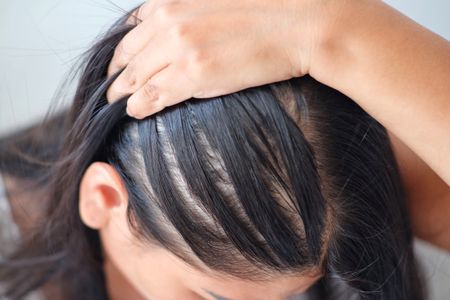
Hair Thinning: Causes of Thin Hair, Myths and Treatment
Discover the best treatments to restore volume and strength to thin hair. Learn how to care for thinning hair with natural remedies and expert tips
2025-09-24
6 min
Biswajit Singh
How Much Hairfall is Normal, Can Oil Massage Make a Difference?
Worried about daily hair fall? Learn what’s normal, causes of hair fall & the best Ayurvedic remedies or hair fall and best hair oils to reduce hair fall naturally.
2025-06-30
10 min
Srijita Biswas
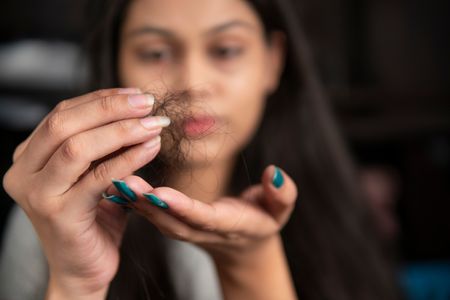
How to Control Hair Fall?
Discover how to stop hair fall and control hair fall with natural remedies, scalp care tips, and lifestyle changes for stronger, healthier hair.
2025-06-23
10 min
Shilpee Singh
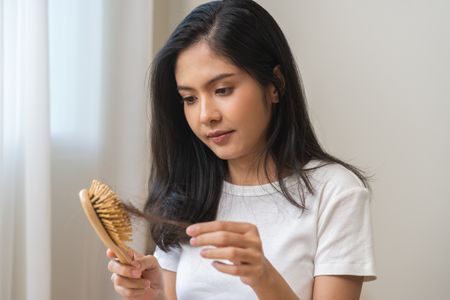
Difference Between Hair Fall and Hair Loss – And How to Manage Both
Learn the difference between hair fall & hair loss. Discover causes, remedies & the best ayurvedic hair oil for hair fall & improve hair health naturally.
2025-06-18
5 min
Biswajit Singh
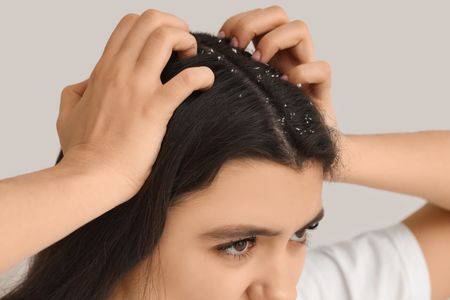
How to Get Rid of Dandruff: Effective Tips That Work
Discover how to get rid of dandruff using simple remedies, expert tips, and scalp care. Treat flakes, itching, and hair fall with proven solutions.
2025-06-17
10 min
Srijita Biswas
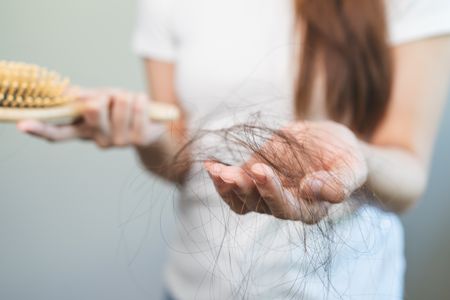
How to Stop Hair Fall Immediately at Home
Learn how to stop hair fall immediately at home with easy tips, lifestyle changes, and the best hair oils for stronger, healthier hair.
2025-06-10
10 min
Shilpee Singh
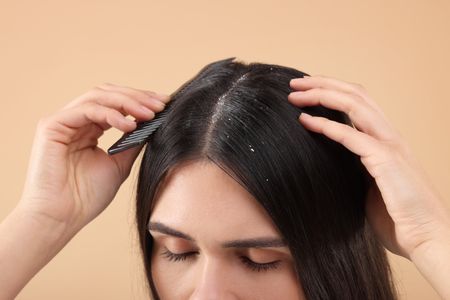
Can Dandruff Cause Hair Fall? How to Combat Hair Fall & Dandruff
Wondering if dandruff causes hair fall? Learn the link between dandruff and hair fall, and discover the causes and effective treatments to maintain a healthy scalp.
2025-06-02
7 min
Biswajit Singh
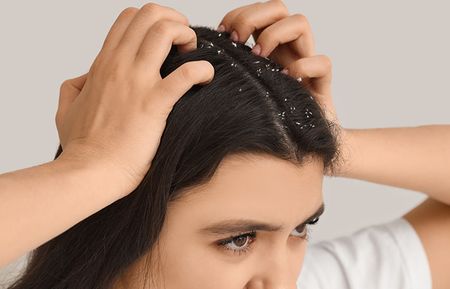
Easy Home Remedies to Get Rid of Dandruff Naturally
Discover the best natural home remedies for dandruff. Learn the most effective ways to get rid of dandruff at home for a flake-free, healthy scalp.
2025-02-26
7 min
Biswajit Singh
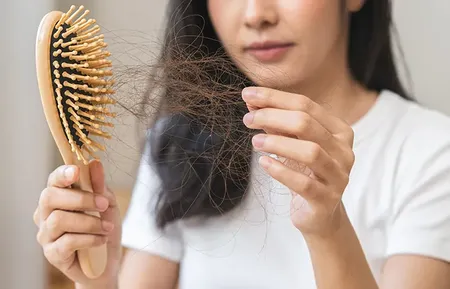
How Pollution Causes Hair Fall & How to Protect It
Discover how pollution damages your hair and leads to hair fall. Learn effective remedies, including using Ayurvedic Coconut Hair Oil, to keep your hair healthy and strong.
2025-01-21
7 min
Shilpee Singh
4 Ayurvedic Remedies for Hair Fall (Effective Natural Solutions)
Discover powerful Ayurvedic remedies for hair fall, including DIY recipes and Ayurvedic hair oils. Learn hair fall remedies and promote growth with these holistic solutions!
2024-12-09
6 min
Biswajit Singh
Jatamansi for Hair: Benefits, Uses, and History
Explore the Jatamansi benefits for hair health. Learn how Jatamansi promotes hair growth, reduces hair fall, & improves scalp health. Discover its uses & tips for hair care.
2024-11-29
8 min
Shilpee Singh
4 Easy Ways To Detangle your Hair
Struggling with tangled hair? Learn gentle detangling techniques and expert tips to safely and effectively manage extremely tangled hair while preventing breakage.
2024-11-28
8 min
Srijita Biswas
Brahmi Benefits for strong hair & healthy scalp
Explore the top Brahmi benefits for hair including promoting hair growth, reducing hair fall, strengthening roots & improving scalp health with Ayurvedic care tips.
2024-11-27
9 min
Shilpee Singh

Overnight Hair Oiling with Coconut Based Hair Oil: Benefits and Effective Hair Fall Remedies
Discover the pros and cons of overnight hair oiling with coconut oil. Learn how to nourish your hair, prevent hair fall, and repair damage with effective hair fall remedies.
2024-10-18
9 min
Shilpee Singh
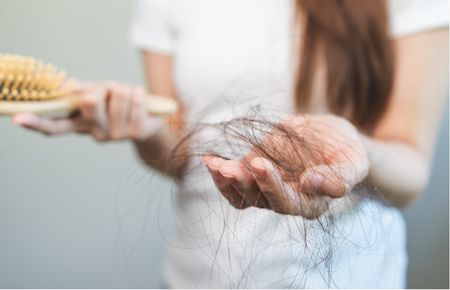
Why You Should Choose Ayurvedic Hair Oil to Prevent Hair Fall
Discover the benefits of Ayurvedic hair oil for hair fall prevention. Learn how Ayurvedic ingredients nourish the scalp, improve blood circulation, and promote healthy hair growth.
2024-09-26
5 min
Srijita Biswas
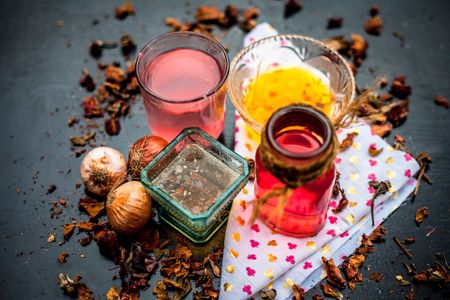
6 Easy Home Remedies for Hair Fall
Try these home remedies for hair fall using natural ingredients. Discover simple, effective tips to reduce hair fall and improve scalp health without harsh chemicals.
2024-09-23
6 min
Srijita Biswas

Vitamins and Other Nutrients That Can Help Prevent Hair Fall
Discover the best vitamins & supplements to prevent hair fall. Learn which vitamins are good for hair fall control & how to stop hair fall with the right nutrients.
2024-08-14
7 min
Shilpee Singh

4 Tips to Build a Hair Care Routine to Minimise Hair Fall
Learn how to build an effective hair care routine to minimize hair fall. Get tips & steps for creating a hair care routine that promotes hair growth & health.
2024-08-13
8 min
Biswajit Singh
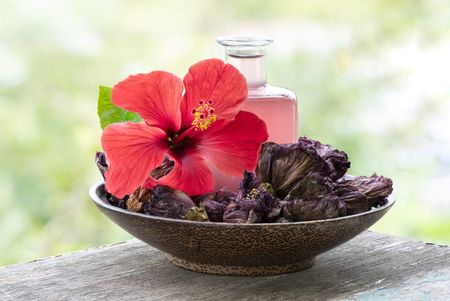
Hibiscus for Hair: Uses & Benefits for Gorgeous Hair!
The powerful hibiscus benefits for hair, including how hibiscus for hair growth can boost volume, treats dandruff and prevents greying. Learn expert tips for healthy hair growth.
2024-07-23
7 min
Shilpee Singh
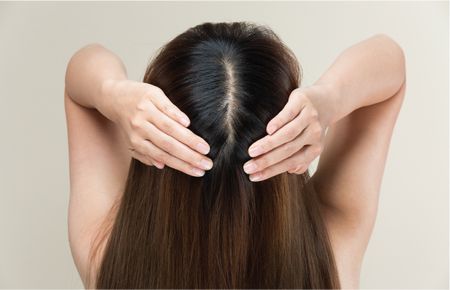
Essential Tips for Maintaining a Healthy Scalp and Preventing Hair Fall
Learn essential tips for maintaining a healthy hair and preventing hair fall. Discover how regular scalp massages, a healthy diet, and curry leaves hair oil can keep your scalp in top condition.
2024-07-19
9 min
Biswajit Singh
Can Stress Cause Hairfall? - Tips to Manage Stress & Avoid Hair Loss
Discover how stress can lead to hair fall, thinning hair, and alopecia. Learn effective management tips to reduce stress and promote healthy hair growth.
2024-07-18
10 min
Shilpee Singh
Daily Habits That Cause Hair Fall
Discover daily habits that may be causing hair fall and learn effective tips to stop hair fall. Know why hair fall occurs and how to maintain healthy hair.
2024-07-16
10 min
Srijita Biswas
5 Tips for Hair Growth: Effective Methods to grow your hair naturally
Discover 5 simple tips for hair growth, including natural remedies, nutrition, hair oil massages, and lifestyle changes to support stronger, longer, and healthier hair.
2024-07-03
10 min
Shilpee Singh
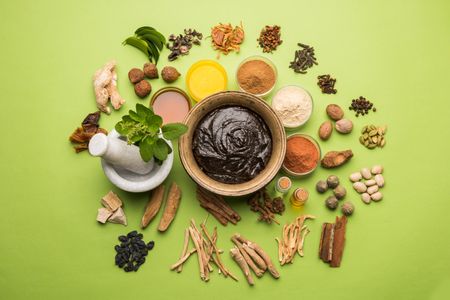
Ayurveda Ancient Secrets for Modern Hair Care
Explore ayurvedic hair treatments for hair loss and the best ayurvedic hair oils for hair fall. Unlock ancient secrets for modern hair growth and care
2024-07-03
10 min
Biswajit Singh

Role of Vitamin Deficiency in Hair Fall
Understand how vitamin deficiency causes hair fall, discover effective ways to combat it, and learn about essential vitamins for hair health and how to prevent nutritional deficiencies.
2024-06-20
10 min
Biswajit Singh
Onion Hair Oil Benefits for Hair Growth
Discover the top onion hair oil benefits for hair growth and scalp care. Learn how onion oil nourishes roots, tackles thinning, and improves hair strength naturally.
2024-06-07
7 min
Biswajit Singh
How to Stop Hair Fall: Causes and Hair Fall Remedies
Discover the common causes of hair fall and explore the best Ayurvedic hair oils for hair fall with amla and coconut, plus natural treatments proven to reduce hair fall.
2023-07-28
10 mins
Biswajit Singh
How to Use Onion for Hair: 5 Best Ways for Stronger Strands
Did you know that besides adding flavour to your food, red onions can also help promote healthy hair growth? Today, we discuss some simple yet effective ways in which you can use red onions to create DIY remedies to address various hair concerns for healthy and strong hair.
2023-07-10
10 mins
Srijita Biswas
How to Make Hair Strong & Thick from the Roots to Tip
Strengthening your strands from within is essential to make it resilient and ensure natural hair growth. Read on to learn about 5 effective ways to nourish your hair comprehensively including diet, natural oil like Parachute Advansed Onion Hair Oil and more.
2023-07-09
10 mins
Biswajit Singh
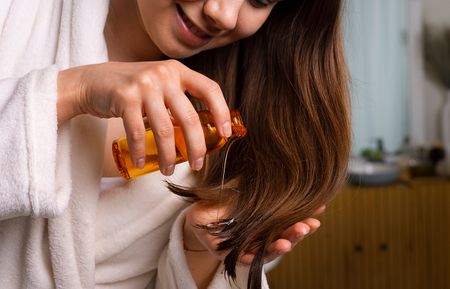
4 Simple Ways to include Jasmine-Infused Coconut-Based Hair Oil in Your Hair Care Regime
A Jasmine-infused hair oil, like the Parachute Advansed Jasmine Hair Oil, is lightweight and has a sweet and calming fragrance. And besides using it as a regular hair oil for a relaxing massage session, you can also implement it into your hair care regime in several other ways. So, continue reading to learn about how you can employ this highly versatile hair oil in your daily hair care regime.
2023-07-05
10 mins
Srijita Biswas
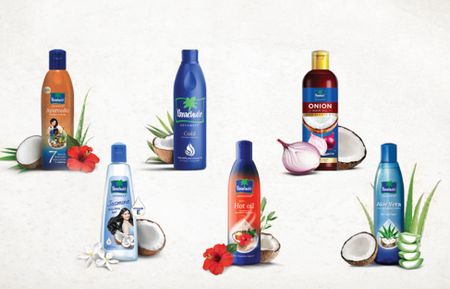
What to look for in a Perfect Hair Oil?
Every individual has their own hair concerns. So, how can one hair oil be the solution to all of their problems? Today we look at some of the factors that you must consider before you go ahead and purchase a hair oil for your hair care routine.
2023-06-23
10 mins
Srijita Biswas
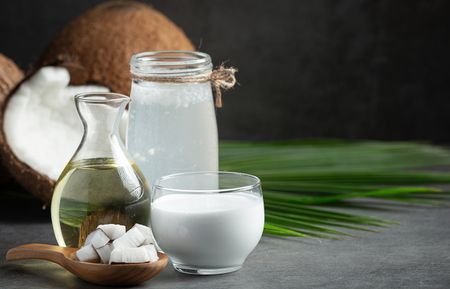
5 Benefits of Coconut-based Hair Oils and Coconut Milk for Hair
Coconut milk and coconut-based hair oils nourish the scalp and hair structure from within and work as a protective layer against protein decay. It helps to improve several hair problems. Know the benefits of coconut milk and coconut-based hair oil. You can also explore Parachute Advansed Jasmine Hair Oil for comprehensive hair care.
2023-06-19
10 mins
Biswajit Singh

Tips for Hair Growth: Maintain Hair Thickness and boost hair growth with these 5 methods
Boost healthy hair growth with 6 simple tips at home. Try scalp massage, balanced diet & Ayurvedic coconut hair oil for stronger, thicker hair.
2023-06-14
10 mins
Srijita Biswas
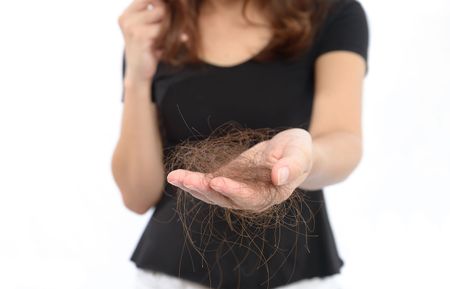
Understanding Hair Fall & Hair Breakage: Causes, Types, and Prevention
Hair fall and hair breakage occur due to weak hair follicles. Causes include poor diet, improper care, chemicals, environment, and medical issues. Consult a doctor for severe hair loss. Use natural products like Parachute Advansed Onion Hair Oil, reduce stress, and improve nutrition to treat and prevent these problems.
2023-06-13
10 mins
Biswajit Singh
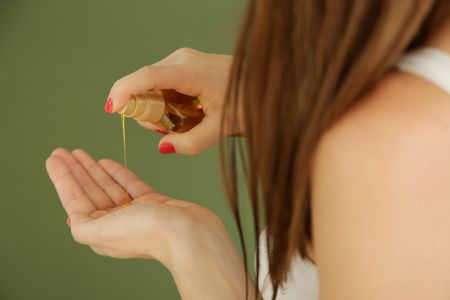
Effective Hair Oils To Control Hair Fall
Discover the best hair oil for hair fall. From Coconut to Argan oil Learn which hair oil is best for hair fall and how to use them to control hair fall and growth stronger, healthier hair.
2023-05-12
10 mins
Srijita Biswas
You may also like