Split Ends
Understanding & Getting Rid of Split Ends
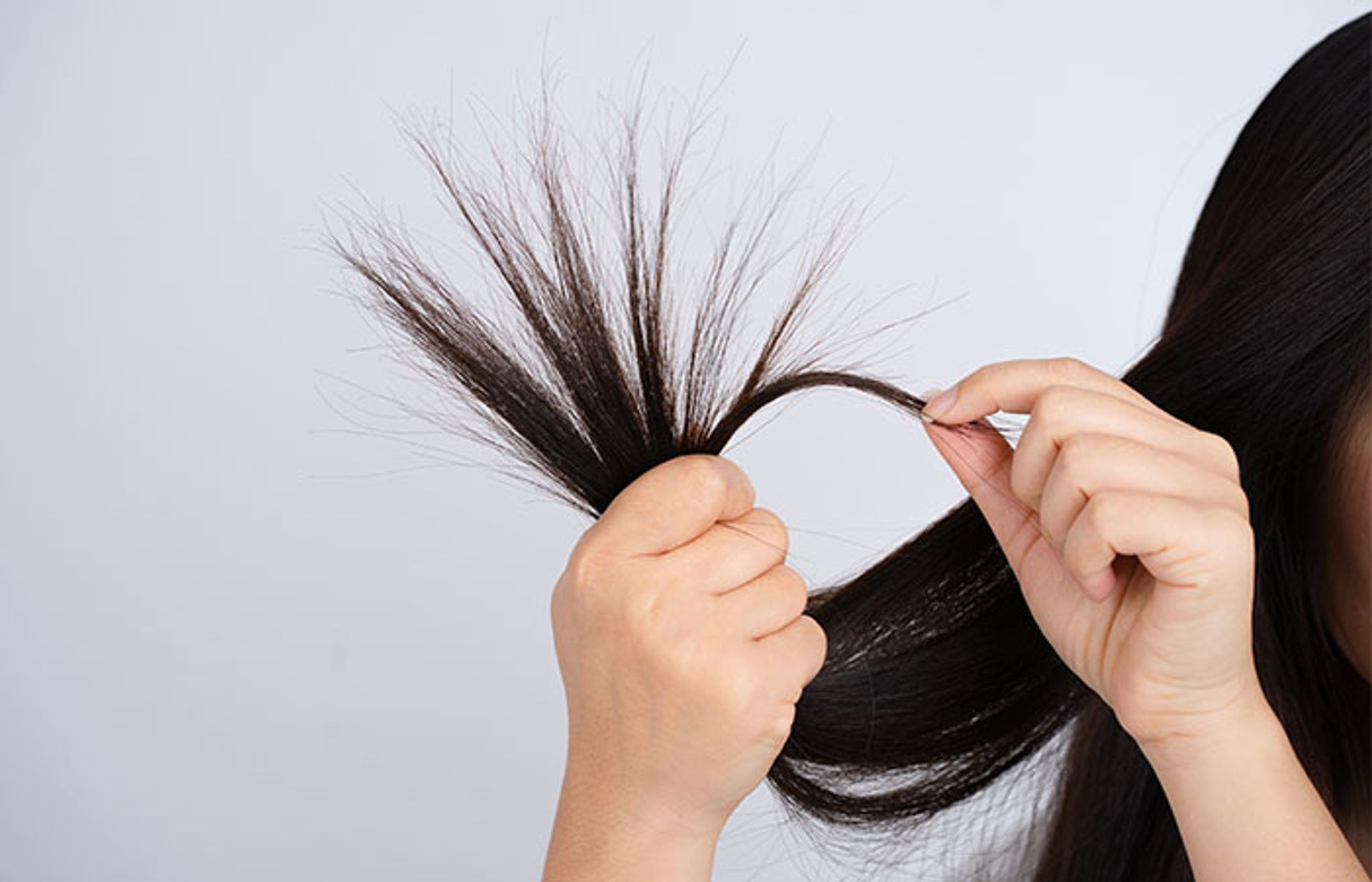
It’s a nightmare for most of us to see their hair getting extremely dry, and later resulting in split ends. Frayed hair is a genuine problem—which can be caused by several reasons. Not being cautious about what we put on hair and how we maintain locks post-wash or styling being the common culprit. It’s not you or people around you who might have experienced it. It’s a common hair problem experienced by women of different ages. So, let’s normalise the fact that split ends can happen with us, and focus on how effectively we can deal with split ends. But first let’s get familiar with habits, routines, and other aspects that cause split ends or aggravate the condition.
Split Ends Causes
1
Weather Conditions
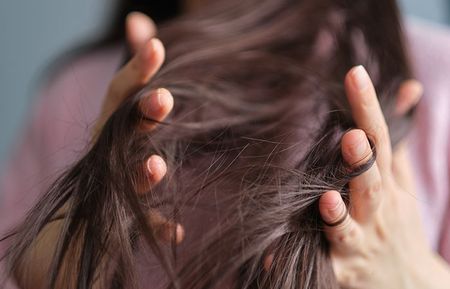
Prolonged exposure to dry as well as hot weather isn’t suitable for healthy hair. It can cause irreparable damage as it tends to suck out the lustre and moisture in locks and turn them excessively dry. As a result, hair is likely to be split from its ends.
2
Overexposure to Heat Styling Tools
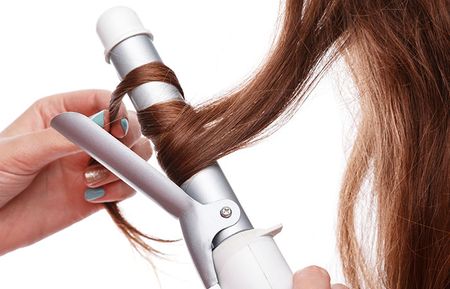
It can never be a good idea to reply heavily on heat styling tools. Whether it’s about drying your hair or achieving curls, overusing heat styling tools can wreak havoc on your hair. It can strip off the moisture and sheen from hair, leaving it brittle, which leads to the formation of split ends. Additionally, it can break down the protein in the hair shaft and make it more prone to breakage.
3

Avoiding Heat Protectant While Styling Your Hair
Hair is a collective structure of fibre, which is protected by an outer layer called cuticle. However, when your hair is exposed to extreme weather or styling processes, it weakens the hair's protective layer, contributing to damage.
4
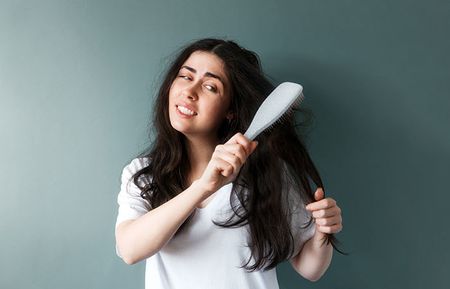
Careless Brushing & Combing
Vigorous brushing or combing doesn’t directly cause split ends, but it weakens the structure, especially when you give unnecessary strokes to tangled locks. It can create friction and tension between hair strands and make the split ends worse.
5
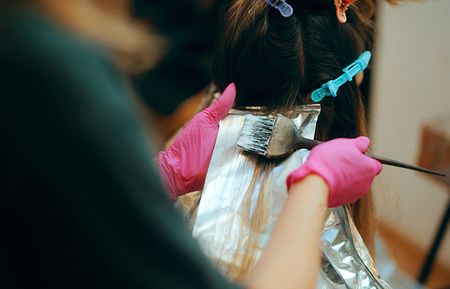
Chemical Treatments for Hair
Even if you undergo a chemical hair treatment under an expert’s supervision, it’s unlikely that your hair will remain undamaged. However, the damage may not be immediately visible. In the long run, such treatments break the hair structure and leave the hair dehydrated, resulting in excessively dry hair. When your hair becomes dry or brittle, it is more prone to splitting. Regular considerations of chemical treatment can disrupt hair’s health and may put it at risk, causing problems like split ends.
Solutions for Split Ends
How to treat split ends? The only way to treat split ends is to cut them off through a haircut or trimming. Unfortunately, you can’t prevent or completely get rid of split ends using a hair oil, treatments, etc. Though, you can conceal the split end with the regular use of hair masks, leave-in conditioners, etc. As these recommendations help nourish the hair, restore the moisture, and strengthen hair shafts. As we mentioned, trimming is the ultimate split ends remedy and prevents further damage caused by split ends. Let’s learn how it actually helps and what else we can do to keep hair away from fraying.
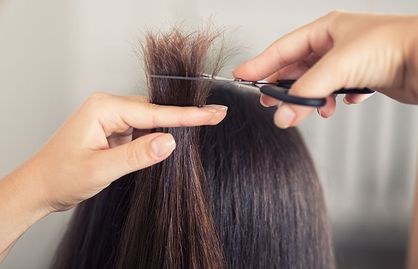
Trim Regularly
When the hair's end is split into two or so, it’s a clear sign of damaged hair. Though the reasons could be several, split ends must be removed in time as they make strands weaker and aggravate the hair condition. You may use shampoos and hair oils to conceal/remove split ends at home, but it isn’t as effective as hair trimming—which eliminates the damaged portion of the hair and prevents the splits from travelling further up the hair shaft and causing more damage.
Use an Argan Oil
As we know, trimming is the ultimate way to remove split ends. But exploring other options can help conceal the damaged hair. Argan oil being the great for concealing split ends, which adds shine and prevents dryness. Opting for argan oil is beneficial if your hair is dehydrated and needs nourishment and moisture.
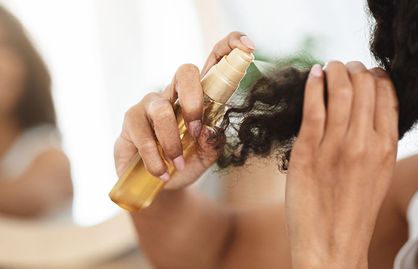
Incorporate Healthy Hair Care Routine
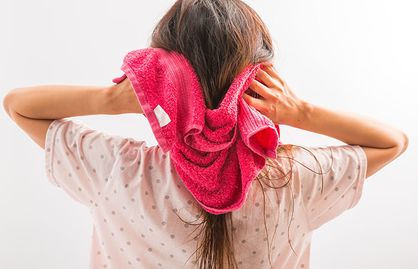
We can’t repair split ends unless they are chopped off. This means the cure is very limited, so it’s better to become well-versed in techniques to prevent split ends. This process officially begins with picking a great hair oil that specifically targets the causes of split ends. Additionally, using a nourishing hair mask and leave-in conditioners is recommended to replenish moisture and keep dryness at bay. Furthermore, be gentle while washing, drying, and combing your hair, sleep on a silk pillowcase; and limit the use of heat styling tools—or always use a heat protectant when styling.
Opt for Hair Updos
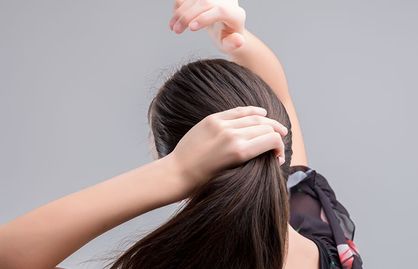
To hide your split ends, you don’t need to visit professionals or stylists. A simple hairdo can effectively cover split ends and maintain your appearance. There are a wide range of hairstyles you can consider, with braided updos, buns, and scarf braids being among the most popular options. If trimming isn’t the option you want to go ahead with, then try out these hairstyles!
FAQs
What puts hair at risk and causes damage such as split ends?
Hair needs to be nourished through proper products and habits. Above all, it should be protected from external stressors as well, which can affect its health, vitality, and appearance. Basically, hair damage such as split ends can be caused by weather conditions, heat styling tools, poor hair care habits, etc.
Can we repair split ends at home?
The only way to treat split ends effectively is to get them cut off or removed completely. No oils, hair masks, or leave-in conditioners can restore hair health and combat split ends, though they can conceal them to some extent.
If not trimming, what else can be done to remove split ends?
There’s no alternative to trimming for completely removing split ends. However, a technique called ‘candle cutting’ is sometimes suggested. This involves twisting a section of hair and burning the ends with a lit candle. It is believed that this process seals the ends, preventing further splitting. However, many hair care experts caution against this method, as it may actually cause additional split ends and damage hair follicles.
Does dryness cause split ends?
Yes, dryness can contribute to split ends. When hair becomes excessively dry, it loses its flexibility and strength, making the strands weaker and more prone to breakage. Lack of moisture causes the outer layer of the hair, known as the cuticle, to become rough and brittle. Over time, this leads to the splitting of hair shafts, resulting in split ends.
Is there any best hair oil for split ends?
Hair oils can provide a temporary solution to split end problems. But it won’t give a permanent solution, as split ends can only be repaired with trimming or a haircut.
Is there any best shampoo for split ends?
There isn’t a single best shampoo for split ends, as the effectiveness of a shampoo depends on your hair type, condition, and specific needs. However, when choosing a shampoo to manage split ends, look for sulphate-free shampoos or harsh-chemical-free products that contain necessary ingredients to remove dirt and dust thoroughly.

Hair Fall in Winter: What is it, and How to Stop Hair it?
Struggling with excess hair fall in winter? Learn the science behind seasonal shedding and try Ayurvedic remedies, gentle care and diet tips to keep hair strong and healthy.

2025-11-17

5 min

Shilpee Singh
Hair Thinning: Causes of Thin Hair, Myths and Treatment
Discover the best treatments to restore volume and strength to thin hair. Learn how to care for thinning hair with natural remedies and expert tips
2025-09-24
6 min
Biswajit Singh
How Much Hairfall is Normal, Can Oil Massage Make a Difference?
Worried about daily hair fall? Learn what’s normal, causes of hair fall & the best Ayurvedic remedies or hair fall and best hair oils to reduce hair fall naturally.
2025-06-30
10 min
Srijita Biswas
How to Control Hair Fall?
Discover how to stop hair fall and control hair fall with natural remedies, scalp care tips, and lifestyle changes for stronger, healthier hair.
2025-06-23
10 min
Shilpee Singh
Difference Between Hair Fall and Hair Loss – And How to Manage Both
Learn the difference between hair fall & hair loss. Discover causes, remedies & the best ayurvedic hair oil for hair fall & improve hair health naturally.
2025-06-18
5 min
Biswajit Singh
How to Get Rid of Dandruff: Effective Tips That Work
Discover how to get rid of dandruff using simple remedies, expert tips, and scalp care. Treat flakes, itching, and hair fall with proven solutions.
2025-06-17
10 min
Srijita Biswas
How to Stop Hair Fall Immediately at Home
Learn how to stop hair fall immediately at home with easy tips, lifestyle changes, and the best hair oils for stronger, healthier hair.
2025-06-10
10 min
Shilpee Singh
Can Dandruff Cause Hair Fall? How to Combat Hair Fall & Dandruff
Wondering if dandruff causes hair fall? Learn the link between dandruff and hair fall, and discover the causes and effective treatments to maintain a healthy scalp.
2025-06-02
7 min
Biswajit Singh
Easy Home Remedies to Get Rid of Dandruff Naturally
Discover the best natural home remedies for dandruff. Learn the most effective ways to get rid of dandruff at home for a flake-free, healthy scalp.
2025-02-26
7 min
Biswajit Singh
How Pollution Causes Hair Fall & How to Protect It
Discover how pollution damages your hair and leads to hair fall. Learn effective remedies, including using Ayurvedic Coconut Hair Oil, to keep your hair healthy and strong.
2025-01-21
7 min
Shilpee Singh
4 Ayurvedic Remedies for Hair Fall (Effective Natural Solutions)
Discover powerful Ayurvedic remedies for hair fall, including DIY recipes and Ayurvedic hair oils. Learn hair fall remedies and promote growth with these holistic solutions!
2024-12-09
6 min
Biswajit Singh
Jatamansi for Hair: Benefits, Uses, and History
Explore the Jatamansi benefits for hair health. Learn how Jatamansi promotes hair growth, reduces hair fall, & improves scalp health. Discover its uses & tips for hair care.
2024-11-29
8 min
Shilpee Singh
4 Easy Ways To Detangle your Hair
Struggling with tangled hair? Learn gentle detangling techniques and expert tips to safely and effectively manage extremely tangled hair while preventing breakage.
2024-11-28
8 min
Srijita Biswas
Brahmi Benefits for strong hair & healthy scalp
Explore the top Brahmi benefits for hair including promoting hair growth, reducing hair fall, strengthening roots & improving scalp health with Ayurvedic care tips.
2024-11-27
9 min
Shilpee Singh

Overnight Hair Oiling with Coconut Based Hair Oil: Benefits and Effective Hair Fall Remedies
Discover the pros and cons of overnight hair oiling with coconut oil. Learn how to nourish your hair, prevent hair fall, and repair damage with effective hair fall remedies.
2024-10-18
9 min
Shilpee Singh
Why You Should Choose Ayurvedic Hair Oil to Prevent Hair Fall
Discover the benefits of Ayurvedic hair oil for hair fall prevention. Learn how Ayurvedic ingredients nourish the scalp, improve blood circulation, and promote healthy hair growth.
2024-09-26
5 min
Srijita Biswas
6 Easy Home Remedies for Hair Fall
Try these home remedies for hair fall using natural ingredients. Discover simple, effective tips to reduce hair fall and improve scalp health without harsh chemicals.
2024-09-23
6 min
Srijita Biswas

Vitamins and Other Nutrients That Can Help Prevent Hair Fall
Discover the best vitamins & supplements to prevent hair fall. Learn which vitamins are good for hair fall control & how to stop hair fall with the right nutrients.
2024-08-14
7 min
Shilpee Singh

4 Tips to Build a Hair Care Routine to Minimise Hair Fall
Learn how to build an effective hair care routine to minimize hair fall. Get tips & steps for creating a hair care routine that promotes hair growth & health.
2024-08-13
8 min
Biswajit Singh
Hibiscus for Hair: Uses & Benefits for Gorgeous Hair!
The powerful hibiscus benefits for hair, including how hibiscus for hair growth can boost volume, treats dandruff and prevents greying. Learn expert tips for healthy hair growth.
2024-07-23
7 min
Shilpee Singh
Essential Tips for Maintaining a Healthy Scalp and Preventing Hair Fall
Learn essential tips for maintaining a healthy hair and preventing hair fall. Discover how regular scalp massages, a healthy diet, and curry leaves hair oil can keep your scalp in top condition.
2024-07-19
9 min
Biswajit Singh

Can Stress Cause Hairfall? - Tips to Manage Stress & Avoid Hair Loss
Discover how stress can lead to hair fall, thinning hair, and alopecia. Learn effective management tips to reduce stress and promote healthy hair growth.
2024-07-18
10 min
Shilpee Singh
Daily Habits That Cause Hair Fall
Discover daily habits that may be causing hair fall and learn effective tips to stop hair fall. Know why hair fall occurs and how to maintain healthy hair.
2024-07-16
10 min
Srijita Biswas

5 Tips for Hair Growth: Effective Methods to grow your hair naturally
Discover 5 simple tips for hair growth, including natural remedies, nutrition, hair oil massages, and lifestyle changes to support stronger, longer, and healthier hair.
2024-07-03
10 min
Shilpee Singh
Ayurveda Ancient Secrets for Modern Hair Care
Explore ayurvedic hair treatments for hair loss and the best ayurvedic hair oils for hair fall. Unlock ancient secrets for modern hair growth and care
2024-07-03
10 min
Biswajit Singh

Role of Vitamin Deficiency in Hair Fall
Understand how vitamin deficiency causes hair fall, discover effective ways to combat it, and learn about essential vitamins for hair health and how to prevent nutritional deficiencies.
2024-06-20
10 min
Biswajit Singh
Onion Hair Oil Benefits for Hair Growth
Discover the top onion hair oil benefits for hair growth and scalp care. Learn how onion oil nourishes roots, tackles thinning, and improves hair strength naturally.
2024-06-07
7 min
Biswajit Singh
How to Stop Hair Fall: Causes and Hair Fall Remedies
Discover the common causes of hair fall and explore the best Ayurvedic hair oils for hair fall with amla and coconut, plus natural treatments proven to reduce hair fall.
2023-07-28
10 mins
Biswajit Singh
How to Use Onion for Hair: 5 Best Ways for Stronger Strands
Did you know that besides adding flavour to your food, red onions can also help promote healthy hair growth? Today, we discuss some simple yet effective ways in which you can use red onions to create DIY remedies to address various hair concerns for healthy and strong hair.
2023-07-10
10 mins
Srijita Biswas
How to Make Hair Strong & Thick from the Roots to Tip
Strengthening your strands from within is essential to make it resilient and ensure natural hair growth. Read on to learn about 5 effective ways to nourish your hair comprehensively including diet, natural oil like Parachute Advansed Onion Hair Oil and more.
2023-07-09
10 mins
Biswajit Singh
4 Simple Ways to include Jasmine-Infused Coconut-Based Hair Oil in Your Hair Care Regime
A Jasmine-infused hair oil, like the Parachute Advansed Jasmine Hair Oil, is lightweight and has a sweet and calming fragrance. And besides using it as a regular hair oil for a relaxing massage session, you can also implement it into your hair care regime in several other ways. So, continue reading to learn about how you can employ this highly versatile hair oil in your daily hair care regime.
2023-07-05
10 mins
Srijita Biswas
What to look for in a Perfect Hair Oil?
Every individual has their own hair concerns. So, how can one hair oil be the solution to all of their problems? Today we look at some of the factors that you must consider before you go ahead and purchase a hair oil for your hair care routine.
2023-06-23
10 mins
Srijita Biswas
5 Benefits of Coconut-based Hair Oils and Coconut Milk for Hair
Coconut milk and coconut-based hair oils nourish the scalp and hair structure from within and work as a protective layer against protein decay. It helps to improve several hair problems. Know the benefits of coconut milk and coconut-based hair oil. You can also explore Parachute Advansed Jasmine Hair Oil for comprehensive hair care.
2023-06-19
10 mins
Biswajit Singh

Tips for Hair Growth: Maintain Hair Thickness and boost hair growth with these 5 methods
Boost healthy hair growth with 6 simple tips at home. Try scalp massage, balanced diet & Ayurvedic coconut hair oil for stronger, thicker hair.
2023-06-14
10 mins
Srijita Biswas
Understanding Hair Fall & Hair Breakage: Causes, Types, and Prevention
Hair fall and hair breakage occur due to weak hair follicles. Causes include poor diet, improper care, chemicals, environment, and medical issues. Consult a doctor for severe hair loss. Use natural products like Parachute Advansed Onion Hair Oil, reduce stress, and improve nutrition to treat and prevent these problems.
2023-06-13
10 mins
Biswajit Singh
Effective Hair Oils To Control Hair Fall
Discover the best hair oil for hair fall. From Coconut to Argan oil Learn which hair oil is best for hair fall and how to use them to control hair fall and growth stronger, healthier hair.
2023-05-12
10 mins
Srijita Biswas
You may also like