Back
Dry Scalp in Winter: Causes and Solutions

Nov 21, 2024

5 min

Srijita Biswas
As the temperature drops and the air becomes colder, most of you may experience the discomfort of a dry scalp in winter. The cold winter wind may give birth to winter scalp dryness, causing itching, flaking, and irritation. While this seasonal issue is common, understanding its causes and implementing effective treatments can help keep your scalp healthy throughout the colder months.
Causes of Dry Scalp in Winter
- Cold Weather: Exposure to cold, dry air strips moisture from the skin, including the scalp. As a result, the scalp becomes dehydrated and prone to flaking.
- Reduced exposure to Sun: While a hot shower can feel comforting in winter, hot water can wash away the natural oils that keep the scalp moisturised. This leads to an imbalance in the scalp’s moisture levels, contributing to dryness.
- Harsh Hair Products: Frequent use of styling products or shampoos with sulphates can aggravate a dry scalp. These products can strip away natural oils, causing further irritation. Therefore, opt for sulphate free shampoo, instead.
- Lack of Hydration: Dehydration during winter can also impact scalp health. Many people tend to drink less water in colder months, which can exacerbate winter scalp dryness.
Solutions for Dry Scalp During Winter

To combat dry scalp in winter, there are several effective solutions, including lifestyle adjustments and targeted treatments.
1. Use a gentle shampoo

Switching to a moisturising shampoo and conditioner is a key step in addressing a dry scalp during winter. Look for products that are sulphate-free and contain hydrating ingredients such as shea butter, glycerine, and aloe vera. These ingredients help retain moisture to the scalp without stripping it of its natural oils.
2. Dry Winter Scalp Home Remedies

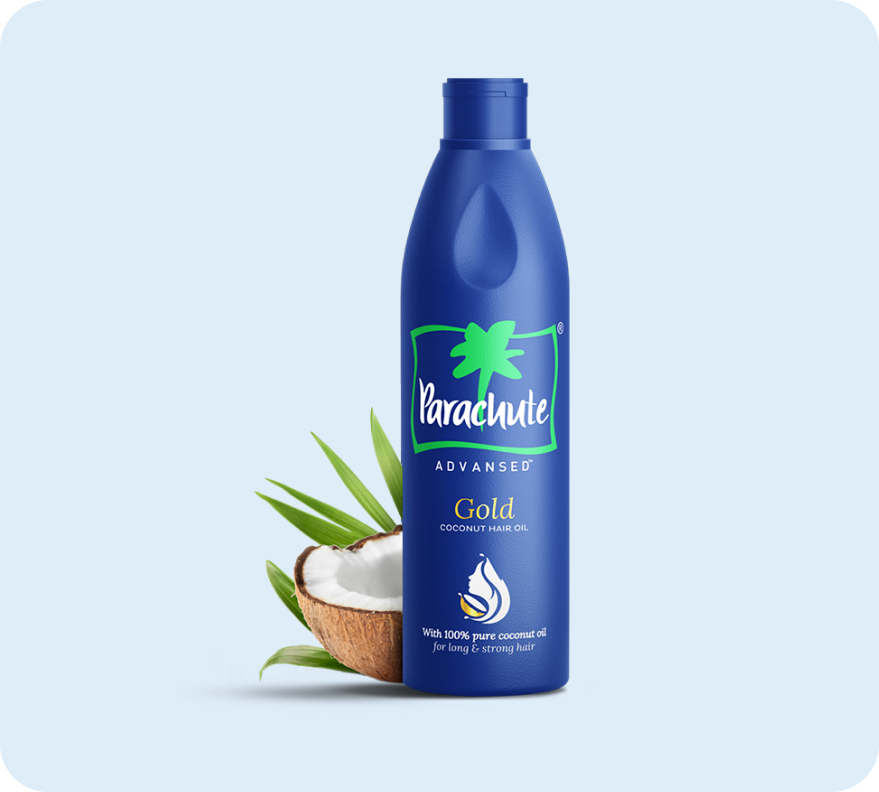
Many natural remedies can provide relief from winter scalp dryness. One of the most effective dry winter scalp home remedies is coconut based hair oil. Rich in fatty acids, coconut based hair oil penetrates deeply into the scalp, providing nourishment and hydration. To use it, warm a small amount of coconut based hair oil in your hands and massage it gently into your scalp. Leave it on for at least 30 minutes, or overnight for intense hydration, before washing it out with a gentle shampoo. You can opt for Parachute Advansed Gold Coconut Based Hair Oil that will protect your hair from daily damage.
Another popular home remedy is a mixture of honey and yoghurt. Honey draws moisture into the scalp, while yoghurt contains lactic acid, which gently exfoliates dead skin cells. Apply this mixture to your scalp and leave it on for 20-30 minutes before rinsing thoroughly.
3. Exfoliating the Scalp

Exfoliating the scalp can help remove dead skin cells and product build-up, both of which can contribute to winter scalp dryness. You can use a gentle scalp scrub or make your own at home by mixing sugar with a little olive oil. Massage the mixture into your scalp in circular motions before washing it off. This process promotes better circulation and improves the absorption of hydrating treatments.
4. Winter Dry Scalp Treatment

A more intensive winter dry scalp treatment might involve applying specialised hair masks or oils designed to combat dryness. Look for treatments that contain ingredients such as argan oil, jojoba oil, or tea tree oil. These oils are excellent for soothing irritation and providing deep hydration.
If your scalp is extremely dry and sensitive, you might also consider using an over-the-counter treatment that contains ingredients like zinc pyrithione or salicylic acid. These compounds are effective in reducing flaking and promoting a healthier scalp environment.
5. Avoiding Hot Water

Hot water strips the scalp of its natural oils, worsening dry scalp during winter. After shampooing, rinse with cooler water to help seal the cuticle and retain moisture.
6. Stay Well Hydrated

To effectively treat a dry scalp in winter, it’s important to hydrate from within. Drink plenty of water throughout the day and consume foods rich in healthy fats, such as avocados, nuts, and oily fish. Omega-3 fatty acids in particular help maintain healthy skin and scalp by keeping it moisturised from the inside out.
Conclusion
A dry scalp during winter can be uncomfortable, but with the right care and treatments, it can be effectively managed. Focus on hydrating both externally and internally, avoiding harsh products, and incorporating dry winter scalp home remedies like coconut based hair oil or yoghurt masks into your routine. By addressing winter scalp dryness with the right hair care routine and the right type of hair oil from Parachute Advansed, you can enjoy the colder months without worrying about scalp irritation or flaking.
Disclaimer:
Our team picks and curates content we think you will like. Opinions expressed within the content are the creator’s views and do not reflect the opinions and beliefs of the website or that of Parachute Advansed.

SHARE NOW


Vitamin E for Hair: Benefits & How to Use it
Explore the top 5 benefits of vitamin E for hair, including promoting scalp health, boosting growth, reducing greying, and improving hair quality. Learn how to add vitamin E to your routine for healthier, stronger hair.
Sep 2, 2025
10 mins
SHARE NOW
Aloe Vera for Scalp: The Magical Benefits of Aloe Vera Hair Oil for Scalp
Experience the wonders of aloe vera for scalp health. Learn how aloe vera hair oil soothes, nourishes, and promotes a healthy scalp for stronger, shinier hair.
Feb 23, 2023
10 mins
SHARE NOW
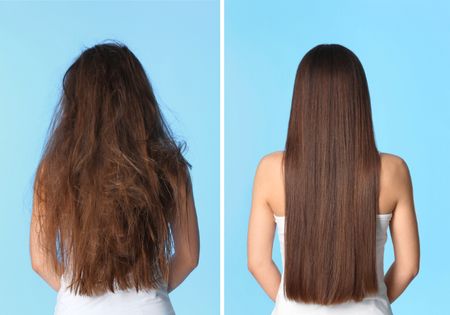
Dry Hair Treatments: Effective Ways to Treat Hair Dryness
Tired of dry, frizzy hair? Discover simple remedies, oil treatments, and the nourishing benefits of aloe vera to bring back softness and shine.
Jun 19, 2024
7 min
SHARE NOW
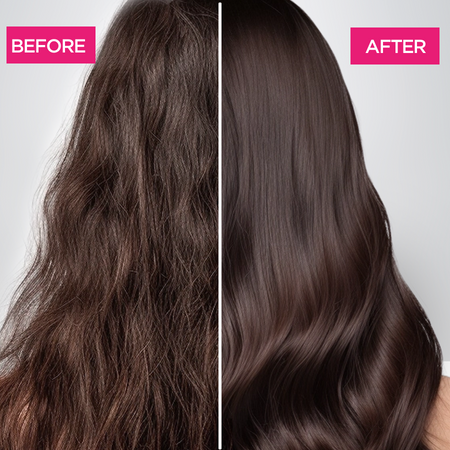
Expert Tips on Hydrating Your Hair for Nourished Silky Hair
Say goodbye to dry, dehydrated hair with our expert tips on hair hydration. Discover the best hair oils, masks, and moisturizing products to achieve silky smooth hair.
Jun 7, 2024
9 min
SHARE NOW
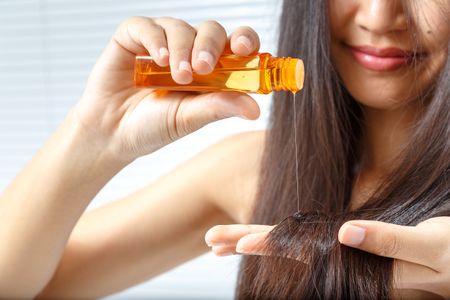
Essential Dos and Don’ts of Hair Oiling for Healthier, Shinier Hair
Unlock the secrets of hair oiling with essential dos and don’ts. Learn how to use hair oils like Argan Oil for frizz control, hydration, and shine. Discover the right techniques for hair oiling and avoid common mistakes.
May 3, 2024
10 min
SHARE NOW