Back
Why Hot Oil Treatments Are a Winter Must-Have

Dec 10, 2024

5 min

Srijita Biswas
You may have heard your dadi or nani saying hot oil hair champi. Turns out these old remedies provide your hair with nourishment, hydration, and protection, especially during the winter months. So what is this hot oil treatment and why is it beneficial for you? Let’s find out!

What is Hot Oil Treatment?
A hot oil treatment for hair is applying warm oil to your scalp and strands. The oil is first heated to a warm temperature so that it ensures better absorption into the hair and scalp. Now, pre-heated hair oils containing Ayurvedic ingredients are readily available in the market, allowing you to skip the heating step altogether.
Hot oil treatments are suitable for all hair types, especially dry, damaged, or colour-treated hair. Even if your hair is prone to split ends and breakage or if you are struggling with a dry or flaky scalp, you can still have a hot oil hair massage.
7 Benefits of Hot Oil Treatments for Hair

1. Makes Your Hair Strands Stronger
Regular hot oil treatments help improve hair elasticity to combat stressors like brushing, styling, and environmental factors. This results in strong and healthy hair.
2. Repairs Damage
Damaged hair often occurs due to heat styling, chemical treatments, or exposure to harsh weather conditions. A hot oil treatment repairs the hair by filling in cracks along the cuticle and smoothing it out. Consider the Parachute Advansed Gold Coconut Hair Oil, that’s one of the best hair oil for damaged hair.
3. Leads to Fewer Split Ends
While no treatment can fully repair split ends, regular hot oil application reduces their frequency and keeps hair looking smoother and healthier, delaying the need for frequent trims.
4. Moisturise Dry Hair and a Dry Scalp
Dry hair and a flaky scalp are common issues, especially in colder months. The warm oil penetrates deep into the hair shaft, restoring moisture and repairing dry, brittle strands.
5. Reduces Frizz in Winter
Winter weather can lead to static and frizz, making it hard to manage your hair. A hot oil treatment smooths the hair cuticle while also providing moisture to it.
6. Helps In Relieving Dandruff
Dandruff often becomes more troublesome during winter due to the dryness of the scalp. A hot oil massage for hair helps reduce dandruff by hydrating the scalp and reducing flakiness.
7. Increases Blood Flow to the Scalp
When you massage with a hot oil, it stimulates blood circulation to the scalp, which is important for healthy hair growth. Improved blood flow ensures that the hair follicles receive more oxygen and nutrients, strengthening the roots and promoting new growth.
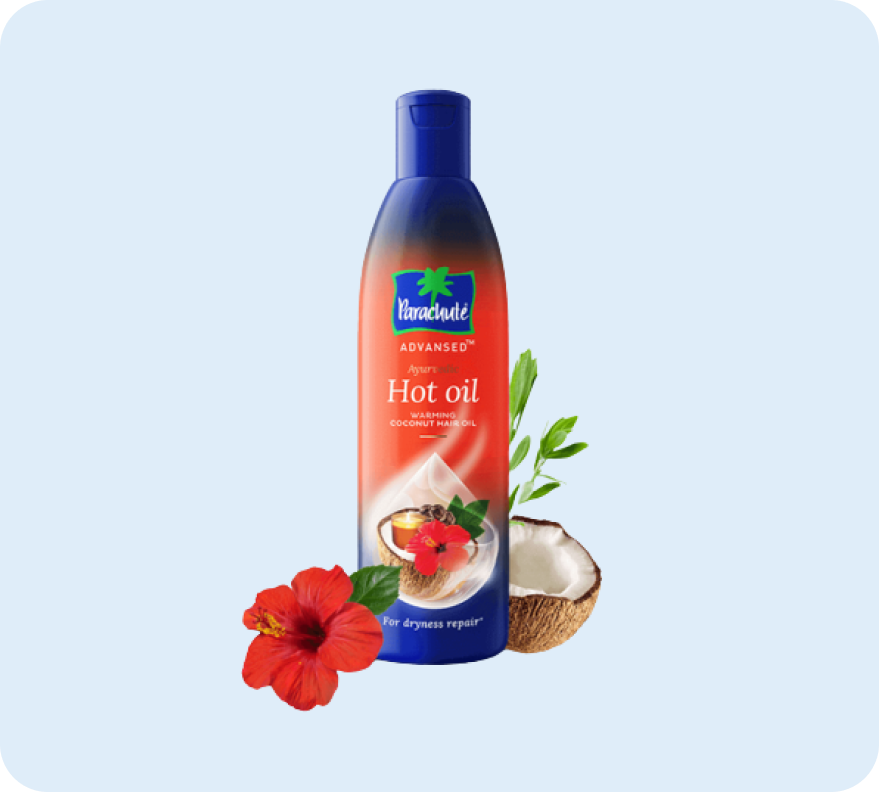
Hot oil treatments usually use plant-based ingredients. One of the best hair oils that should be a winter must-have is the Parachute Advansed Ayurvedic Hot Hair Oil uses ingredients like Black Pepper, Ajwain, Malakangani, Hibiscus which form a formidable force to solve hair problems such as hair fall, premature graying of hair, removing the itchiness, reduce excessive dryness of your scalp, and even improving the growth of hair follicles.
FAQs:
1. When should I use hot oil?
Use hot oil treatments when your hair feels dry, brittle, or frizzy, especially during winter or after chemical treatments. It is recommended to use hot oil before shampooing.
2. How long should I leave hot oil in my hair?
You may leave the hot oil for about 30-45 minutes for the oil to absorb. If you have purchased hot oil from the market, it is best to follow the guidelines on the bottle for the best results.
3. Can I use hot oil on my hair every week?
If you have bleached or damaged hair, you can use hot oil to add moisture and shine every week. If your hair type is oily, once or twice a month will suffice.
4. Is hot oil safe?
Although hot oil treatments use plant-based ingredients it may not be suitable for all skin types. Use a patch test on the elbow and observe for 24 hours.
Disclaimer:
Our team picks and curates content we think you will like. Opinions expressed within the content are the creator’s views and do not reflect the opinions and beliefs of the website or that of Parachute Advansed.

SHARE NOW


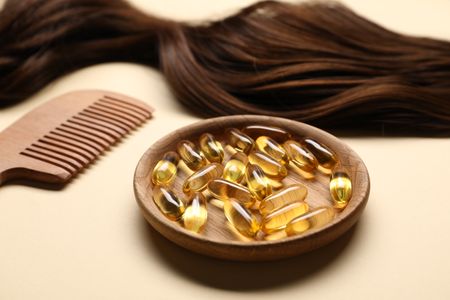
Vitamin E for Hair: Benefits & How to Use it
Explore the top 5 benefits of vitamin E for hair, including promoting scalp health, boosting growth, reducing greying, and improving hair quality. Learn how to add vitamin E to your routine for healthier, stronger hair.
Sep 2, 2025
10 mins
SHARE NOW
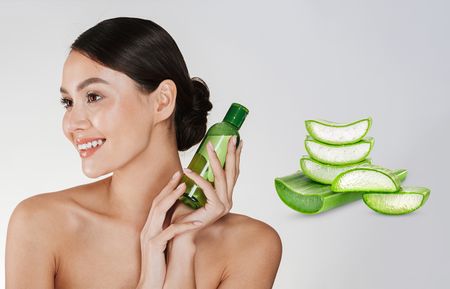
Aloe Vera for Scalp: The Magical Benefits of Aloe Vera Hair Oil for Scalp
Experience the wonders of aloe vera for scalp health. Learn how aloe vera hair oil soothes, nourishes, and promotes a healthy scalp for stronger, shinier hair.
Feb 23, 2023
10 mins
SHARE NOW
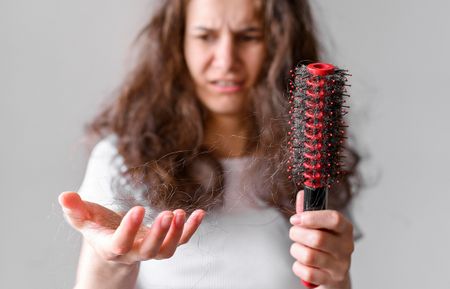
Understanding How Seasons Impact Hair Growth: Haircare Tips and Solutions
Seasonal changes affect hair growth. Summer humidity causes frizz, while winter's dry air can cause an itchy scalp, hair loss, and stunted growth. Use Parachute Advansed Gold Coconut Hair Oil year-round and maintain a healthy lifestyle for healthy hair.
Mar 14, 2023
10 mins
SHARE NOW
Hair Oil Myths vs Facts: Finding the Best Hair Oil for Frizzy Hair
Debunk common hair oil myths and learn the facts. Explore the best oil for hair growth, coconut hair oil for nourishment, and oil for healthy hair to transform your hair care routine.
Apr 16, 2024
12 min
SHARE NOW
Importance of a Nutritional Diet for Healthy Hair
Explore the importance of a nutritional diet for healthy hair and discover the best foods and nutrients that promote hair growth and maintain strong, beautiful hair.
Jun 5, 2024
8 min
SHARE NOW