Back
Is Salt Water Good For Hair?

Nov 4, 2025

5 min

Shilpee Singh
Ever wondered what really happens to hair after a swim in the sea? Chances are, your hair can turn rough and brittle (for obvious reasons). Seawater contains high levels of salt, which pulls moisture out of your strands and disrupts your scalp’s pH balance. The result? Dry, unruly hair. So, to answer the common question: Is salt water good for hair? No, it isn’t. In fact, its exposure turns locks frizzy and makes them susceptible to breakage. But exactly how does saltwater affect your hair? And what can you do to protect your locks if you’re going to be exposed to it? Continue reading to know all the answers related to saltwater hair damage and its remedies.
How Does Salt Water Affect Your Hair?

Salt water damages hair in numerous ways, especially in cases of overexposure. It weakens hair, strips away smoothness and shine, causes scalp irritation, and damages the cuticle. It:
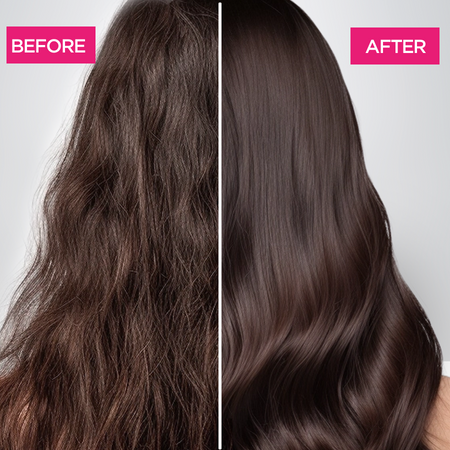
- Increases Frizz: Hair strands can swell and become porous, resulting in frizzy hair. It actually depletes moisture, turning locks unmanageable and rough.
- Causes Scalp Irritation: The scalp’s pH levels can be affected, leading to dry scalp and dandruff. A dry, flaky scalp tempts one to scratch it, which may result in dandruff, eventually causing hair loss.
- Fades Colour-treated Hair: Salt water may cause dyed hair to lose its colour and become excessively dry. Colour treatment itself makes hair weaker and more vulnerable because of the chemical infusion in the hair shaft.
- Damages Cuticle: Hair cuticles primarily determine your hair texture, and they can be affected by external factors such as exposure to seawater or saltwater, which often creates a wavy, beachy effect. However, constant exposure to salt water can damage the cuticle, causing it to lift from the hair strand and weaken the hair from within, eventually leading to breakage.
How to Protect Your Hair from Salt Water Damage?

Can’t skip a swim? No worries! Follow the tips below on protecting locks against saltwater damage.
- Consider a swimming cap that covers your scalp and hair, keeping salt crystals at bay.
- Use a protective spray or product to minimise the damage, as this creates a barrier against salt particles that may settle in your scalp.
- Wet your hair before swimming in seawater to reduce the amount of saltwater penetrating your strands.
- Wash your hair after swimming to eliminate any harsh pollutants or seawater settling on your scalp and hair.
This way, you can enjoy swimming in the sea without leaving salt crystals behind on your scalp.
How to Repair Hair from Salt Water Damage?
With the right methods, you can hope to reverse any kind of damage from saltwater.
1. Consider a Hair Mask
A high-quality hair mask can help retain the moisture lost due to overexposure to saltwater. Using a DIY hair mask can restore hydration and nourishment, helping strengthen your hair and improve elasticity.
2. Use a Coconut-Based Damage Protective Hair Oil
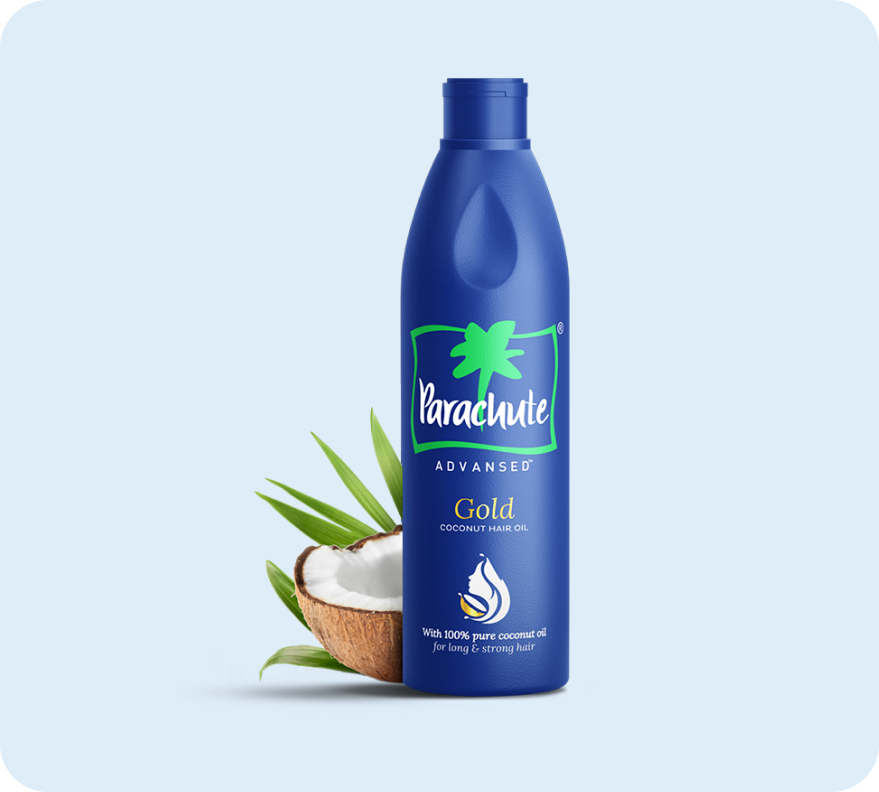
A good oiling routine can fix a variety of hair concerns, from hair fall and breakage to unmanageable strands. When hair is overexposed to saltwater, it becomes coarse and rough. Even the hair shaft weakens to the point where even gentle combing can lead to hair breakage. To improve hair health and strength, include a coconut-based hair oil like Parachute Advansed Gold Coconut Hair Oil. The miraculous benefits of coconut-based hair oil are common knowledge. Why not consider it? It not only provides 10X deeper nourishment and repairs damaged hair but also forms a barrier against external aggressors. Add it to your routine to enjoy its benefits!
3. Try a Trim
One of the healthiest hair care habits is getting regular trims. This doesn’t just mean cutting off damaged hair; it’s about preventing further damage that can occur when strands are left untreated. Regular trims help avoid breakage and keep your hair looking healthy.
4. Focus on a Proper Wash
This tip isn’t just about using a hydrating shampoo or conditioner; it also includes washing your hair with lukewarm water and using a gentle cleansing technique. Be careful while applying shampoo and rinsing your hair; avoid hard water, as it can worsen damage. Even while drying, stick to towel-drying and avoid heat-styling tools like blow dryers, which can make the dryness even worse.
Conclusion
Many people love the ocean breeze, and may be ignorant about how does saltwater actually damage hair. While salt water can add temporary texture, repeated exposure slowly dries out your strands and weakens the cuticle. The connection between salt water and hair becomes clear when you notice increased frizz, tangles, or breakage after spending some days on a beach. Thankfully, the solution isn’t avoiding the sea altogether—it’s protecting your hair before and after every swim. From nourishing oils to hydrating masks and gentle cleansing, the right routine keeps your locks resilient. With consistent care, you can enjoy every dip in the ocean without compromising your hair’s natural strength and shine.
Frequently Asked Questions
1. Will salt water damage your hair?
Too much exposure to salt water certainly wreaks havoc on your hair. It turns locks rough and frizzy, resulting in breakage and split ends.
2. How to repair hair after salt water?
Use hydrating shampoo, consider a hair mask or conditioner, cut off heat styling, oil your hair regularly, etc. Basically, follow a healthy hair care routine that provides enough nourishment and hydration to your locks.
3. Can salt water cause hair fall?
No, saltwater doesn't directly cause hair fall. But its drying and damaging effects can lead to significant breakage, making hair look thinner, especially at the ends, and can irritate the scalp, hindering growth.
4. Can salt water change your hair type?
Salt water can’t permanently change your hair type, but it can temporarily affect how your hair looks and feels. Frequent exposure can make hair drier, rougher, or more textured, which may make hair look frizzier than ever.
5. Can salt water cause white hair?
Salt water does not directly cause white or grey hair. Hair turns white mainly due to ageing, genetics, and reduced melanin production, though frequent saltwater exposure can dry and damage hair, making existing grey or white strands appear more prominent.
Disclaimer:
Our team picks and curates content we think you will like. Opinions expressed within the content are the creator’s views and do not reflect the opinions and beliefs of the website or that of Parachute Advansed.

SHARE NOW


Vitamin E for Hair: Benefits & How to Use it
Explore the top 5 benefits of vitamin E for hair, including promoting scalp health, boosting growth, reducing greying, and improving hair quality. Learn how to add vitamin E to your routine for healthier, stronger hair.
Sep 2, 2025
10 mins
SHARE NOW
Aloe Vera for Scalp: The Magical Benefits of Aloe Vera Hair Oil for Scalp
Experience the wonders of aloe vera for scalp health. Learn how aloe vera hair oil soothes, nourishes, and promotes a healthy scalp for stronger, shinier hair.
Feb 23, 2023
10 mins
SHARE NOW
Dry Hair Treatments: Effective Ways to Treat Hair Dryness
Tired of dry, frizzy hair? Discover simple remedies, oil treatments, and the nourishing benefits of aloe vera to bring back softness and shine.
Jun 19, 2024
7 min
SHARE NOW
Expert Tips on Hydrating Your Hair for Nourished Silky Hair
Say goodbye to dry, dehydrated hair with our expert tips on hair hydration. Discover the best hair oils, masks, and moisturizing products to achieve silky smooth hair.
Jun 7, 2024
9 min
SHARE NOW

Essential Dos and Don’ts of Hair Oiling for Healthier, Shinier Hair
Unlock the secrets of hair oiling with essential dos and don’ts. Learn how to use hair oils like Argan Oil for frizz control, hydration, and shine. Discover the right techniques for hair oiling and avoid common mistakes.
May 3, 2024
10 min
SHARE NOW