Back
Dandruff in Winter: Understand Its Causes and Solution

Dec 3, 2024

8 min

Biswajit Singh

The colder months can wreak havoc on the scalp, leaving it dry, itchy, and prone to flaking. Dandruff, a condition on the scalp which causes white flakes, is increased in winter due to harsh weather conditions and indoor heating. Fortunately, with the right care, you can keep dandruff during winter at bay and maintain healthy hair throughout the season. Here are some essential tips to prevent dandruff in winter and the best home remedies for dandruff in winter.
Why Dandruff worsens in Winter
Winter weather creates the perfect storm for scalp irritation, which is why dandruff in winter often becomes more noticeable and harder to manage. The combination of cold, dry air outdoors and moisture-stripping indoor heating disrupts your scalp’s natural balance, triggering excessive dryness- one of the biggest causes of dandruff in winter. When the scalp barrier weakens, it becomes more prone to flaking, itchiness, and fungal overgrowth, worsening dandruff during winter even for those who don’t struggle with it year-round. Harsh showers, reduced hydration, and heavy hair products further aggravate the scalp, making flakes more persistent. Understanding what causes dandruff during this season helps you choose the right care
Tips to Manage Dandruff in Winter
Don’t worry, tackling dandruff during winter doesn’t have to be complicated. With the right hair care and some fixes to your lifestyle, you can achieve a flake-free, moisturised and nourished scalp throughout this winter season. Read on for some easy tips on how to get rid of dandruff.
1. Hydrate Your Scalp

One of the primary causes of dandruff in winter is a dry scalp. Cold air outside combined with heated indoor environments can strip moisture from the skin, including the scalp. Using a hydrating sulphate free shampoo and conditioner designed to restore moisture can prevent the scalp from drying out.
2. Avoid Hot Water

While a hot shower may provide you some relief during winters, hot water can strip your scalp of its natural oils, leaving it dry and sensitive and worsening existing dandruff. Instead, opt for lukewarm water when washing your hair, as this will cleanse your scalp without causing excessive dryness. After washing, finish with a cool rinse to close the hair cuticles and lock in moisture.
3. Don’t Skip Shampooing

Some people avoid shampooing regularly during winter, fearing that it will further dry out their scalp. However, skipping washes can lead to a build-up of oil, sweat, and dead skin cells, which is an ideal environment for fungal infections and dandruff in winter to thrive. It can be a major cause of dandruff in winter. It’s important to maintain a balanced routine, washing your hair two to three times a week with a gentle shampoo.
4. Oil Your Hair

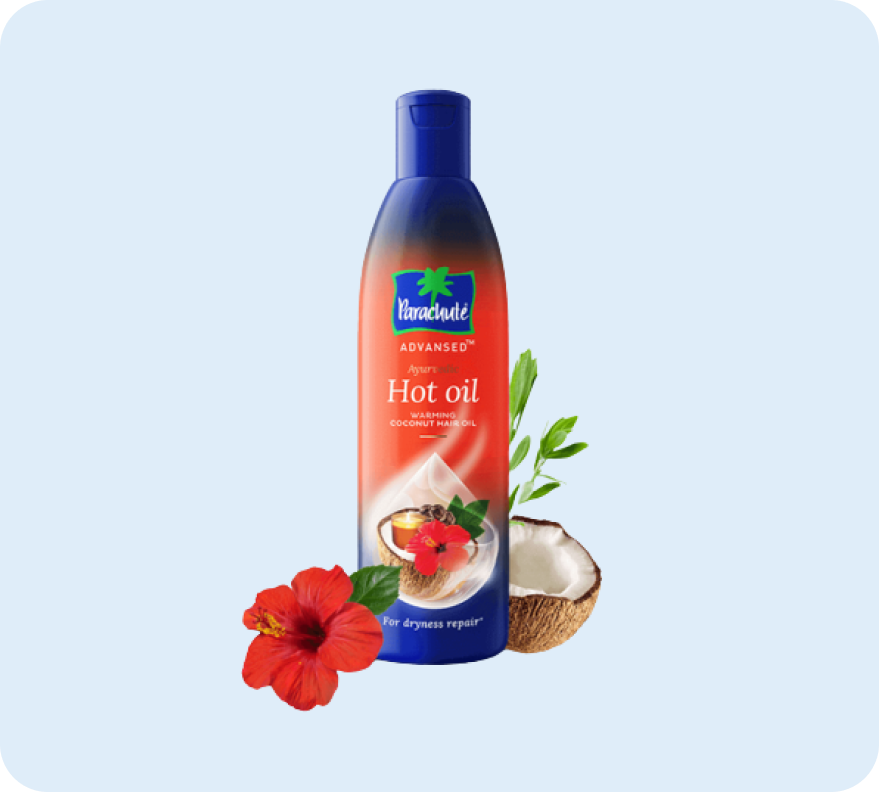
A good hair oil massage goes a long way in promoting hair growth and adding nourishment to the hair. Apply the best hair oil for winter evenly on your scalp and hair, and leave it for a couple of hours before washing it off. Also, frequently oiling your hair helps improve blood circulation. Consider using a good coconut-based hot oil such as the Parachute Advansed Ayurvedic Hot Oil, that helps in nourishing your dry hair and is perfect for winter hair care.
5. Hydrate from Within

Winter’s dry air can deplete the body of moisture, making it essential to stay hydrated. Drinking plenty of water throughout the day helps maintain skin and scalp health. Incorporating foods rich in Omega-3 fatty acids, such as salmon, flaxseeds, and walnuts, into your diet can also improve the condition of your scalp. Omega-3s help in maintaining the skin’s moisture barrier, reducing dryness and inflammation.
Additionally, consuming foods high in zinc, vitamins B and E, and antioxidants can contribute to a healthy scalp and reduce dandruff during winters.
6. Protect Your Hair from the Cold

Exposure to cold winds can worsen dandruff by causing your scalp to become drier. Protect your hair and scalp by wearing a hat or scarf when you go outside, but make sure it’s not too tight. Tight headwear can trap sweat and oil on the scalp, creating a breeding ground for dandruff. Opt for natural, breathable fabrics like cotton or wool to avoid irritation.
7. Limit the Use of Hair Styling Products

While it may be tempting to use styling products more frequently in winter to manage static and flyaways, these products can contribute to dandruff by irritating the scalp. Excessive use of hairspray, gels, and waxes can cause product build-up, clogging hair follicles and increasing dandruff. Try to limit your use of styling products and choose lightweight, water-based formulas if needed.
Home Remedies for Dandruff in Winter
The answer to how to get rid of dandruff isn’t always in expensive treatments or chemical products. Along with the tips mentioned above, you can also go for these home remedies for dandruff in winter which are easy, affordable and found right inside your kitchen.
Neem Hair Oil
The antifungal and antimicrobial properties of neem help prevent and treat dandruff even in harsh winters. Using neem oil brings several benefits of neem oil as it soothes scalp irritation, fights fungal growth, reduces dandruff and scalp infections, and helps nourish and strengthen hair roots.
Aloe Vera Gel
The aloe vera benefits for hair are plenty, and it also helps in reducing dandruff in winter. Aloe Vera is cooling and provides relief from inflammation along with its antibacterial properties. Apply aloe vera gel on your scalp before a hair wash for the best results.
Lemon Juice
The citric acid content of lemon helps fight dandruff. Mix 2-3 teaspoons of lemon juice with warm water and apply it on your scalp. Rinse off after some time.
Apple Cider Vinegar Mask
Combine 1/4 cup vinegar with 1/4 cup water. Apply it to your hair for 15 minutes to an hour, then rinse. Do this twice a week.
Olive Oil for Hair
Massage 10 drops into your scalp. Cover your head with a shower hat and leave it overnight. Shampoo and cleanse your hair in the morning.
Conclusion
Dandruff is a common issue, but with the right winter hair care routine, it can be easily managed. Focus on what causes dandruff and keep it in check, along with keeping your scalp moisturised, exfoliated, and free of product build-up, while also protecting it from the cold. Remember, healthy hair starts with a healthy scalp, and a little extra care during the winter months can go a long way in preventing dandruff and maintaining your hair's natural shine and vitality. Don’t forget to oil your hair regularly to prevent dandruff in winter.
Frequently Asked Questions
- Why does dandruff worsen in winter?
Dandruff tends to increase in winter because cold air and indoor heating reduce scalp moisture. The resulting dryness makes the scalp flaky and itchy, creating an ideal environment for dandruff-causing fungi to thrive.
- Should I wash my hair less often in winter to prevent dryness?
No. Skipping hair washes can lead to oil and dead skin build-up, encouraging dandruff growth.
Follow-up tip: Maintain a balanced washing routine 2–3 times per week with a mild shampoo is ideal.
- How does hair oiling help with dandruff in winter?
Regular oiling nourishes the scalp, boosts blood circulation, and prevents dryness , a key dandruff trigger. Follow-up tip: Use warm coconut-based oils like Parachute Advansed Ayurvedic Hot Oil for deep nourishment during winter.
- Does wearing hats or scarves cause dandruff?
Wearing tight or non-breathable headwear can trap sweat and oil, worsening dandruff.
Follow-up tip: Choose loose, breathable fabrics like cotton or wool to protect your scalp from cold without clogging pores.
- Can styling products make dandruff worse?
Yes. Hair sprays, gels, and waxes can build up on the scalp and block hair follicles, aggravating dandruff.
Follow-up tip: Use lightweight, water-based styling products and cleanse your scalp regularly to avoid residue.
Disclaimer:
Our team picks and curates content we think you will like. Opinions expressed within the content are the creator’s views and do not reflect the opinions and beliefs of the website or that of Parachute Advansed.

SHARE NOW


Vitamin E for Hair: Benefits & How to Use it
Explore the top 5 benefits of vitamin E for hair, including promoting scalp health, boosting growth, reducing greying, and improving hair quality. Learn how to add vitamin E to your routine for healthier, stronger hair.
Sep 2, 2025
10 mins
SHARE NOW
Aloe Vera for Scalp: The Magical Benefits of Aloe Vera Hair Oil for Scalp
Experience the wonders of aloe vera for scalp health. Learn how aloe vera hair oil soothes, nourishes, and promotes a healthy scalp for stronger, shinier hair.
Feb 23, 2023
10 mins
SHARE NOW
Aloe Vera for Scalp: The Magical Benefits of Aloe Vera Hair Oil for Scalp
Experience the wonders of aloe vera for scalp health. Learn how aloe vera hair oil soothes, nourishes, and promotes a healthy scalp for stronger, shinier hair.
Feb 23, 2023
10 mins
SHARE NOW

Different Types Of Hair Oil for Complete Hair Care
Do you know which hair oil works best for your hair? We have answers! Here are some hair oils that you need to include in your hair care routine right away.
Feb 23, 2023
10 mins
SHARE NOW

6 Must-Try Hair Oils for Winter Season
Discover the best hair oil for winter to nourish dry, frizzy hair with coconut-based warmth & Ayurvedic care. Learn how Parachute Advansed Hair Oil locks in moisture.
Mar 16, 2023
10 mins
SHARE NOW