Grey Hair
Understanding the Onset of Grey Hair
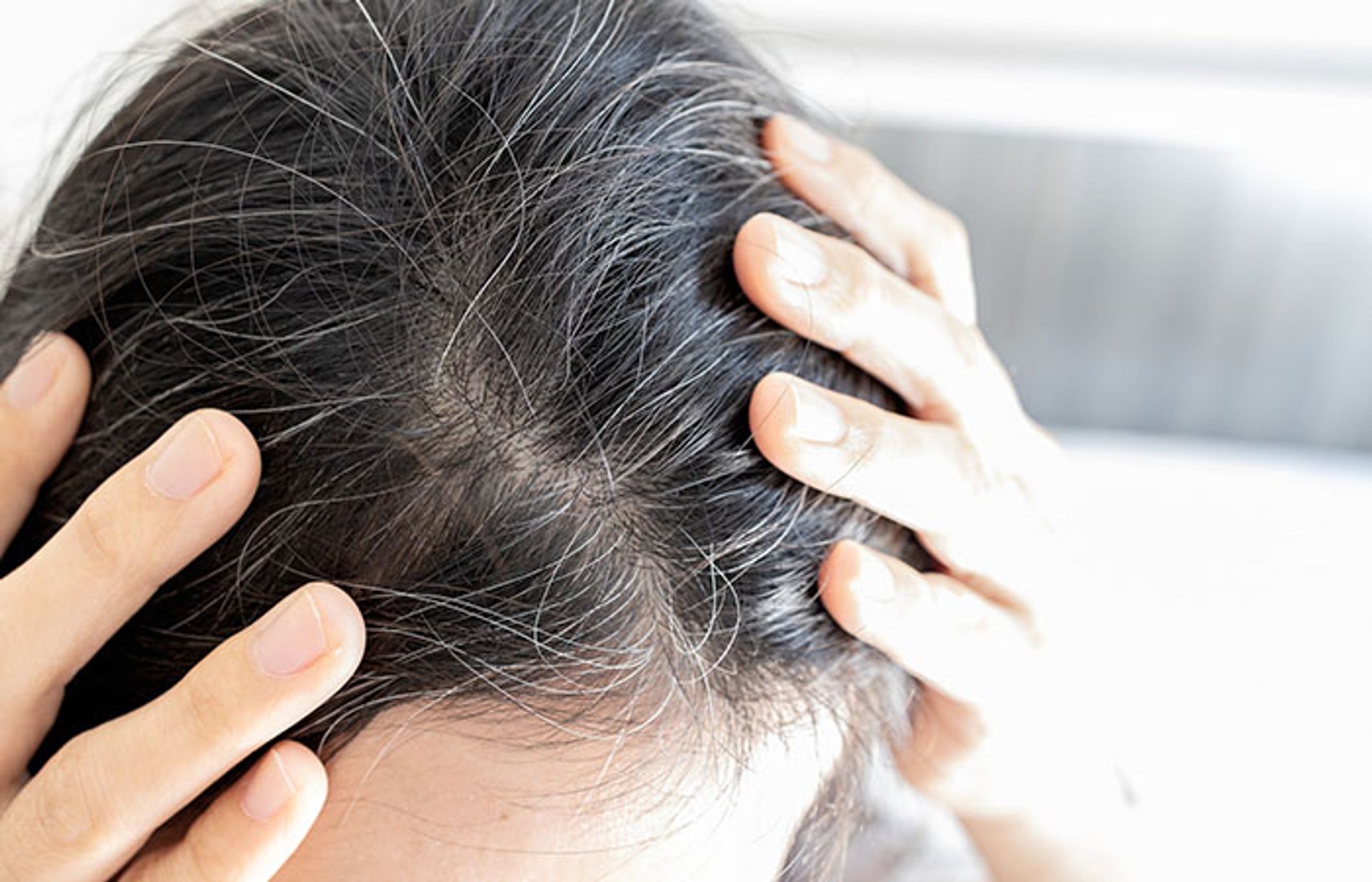
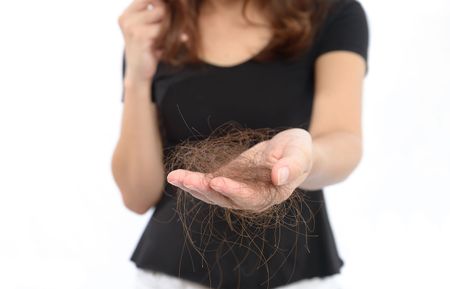
Our hair goes through a journey right from the first time you get baby hair till you start getting grey hair. The hair colour every individual possesses is mostly due to the production of melanin - the pigment that decides if the hair will be dark, light, or grey. The more hair fall we have, the more the chances of the new hair coming out as grey increase drastically because the amount of melanin also decreases, with each new hair. Grey hair is also a natural part of aging, as the production of melanin - the pigment responsible for hair colour—decreases over time. Genetics play a significant role in determining when and how quickly your grey hair appears. Factors such as stress, exposure to harmful chemicals in hair products, nutritional deficiencies, and certain medical conditions can also contribute to premature greying.
Grey Hair Causes
1

Genetics
Your genes have a huge role to play when determining the onset of grey hair. The age at which individuals start to grey, the rate of greying, and the distribution of grey strands are all influenced by genetic factors passed down through generations. Variations in genes responsible for melanin production and regulation can impact the pigmentation of hair follicles, leading to premature greying in some individuals. Understanding the genetic predisposition to grey hair can help individuals better manage and address this natural process as they age.
2

Stress
Stress is one of the biggest contributors to greying of hair because it leads to hair fall and triggers the release of hormones that can affect the amount of melanin produced by our body. Prolonged periods of stress can disrupt the normal hair growth cycle, leading to the premature depletion of melanin-producing cells in hair follicles.
3
Usage of Harmful Chemicals
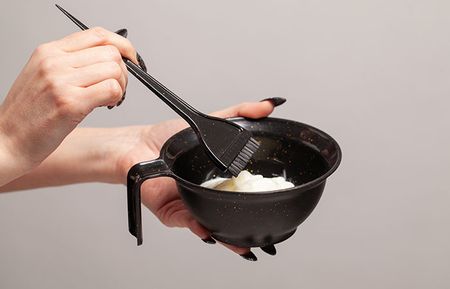
In these modern times, the usage of hair products brimming with harmful chemicals has become the norm, and that can lead to an accelerated rate of grey hair production. Chemicals such as hydrogen peroxide, ammonia, and certain sulphates found in hair dyes and other products can damage the hair shaft and follicles, leading to premature greying. Continuous exposure to these chemicals can weaken the hair structure, disrupt melanin production, and contribute to the loss of natural pigment.
4

Nutritional Deficiencies
Nutritional deficiencies, particularly in key vitamins and minerals essential for hair health, can play a role in the development of grey hair. Deficits in nutrients like vitamin B12, folate, iron, and copper can impact melanin production and the overall health of hair follicles. A diet lacking in these essential nutrients may result in premature greying and compromised hair quality.
5

Medical Conditions
Certain medical conditions can contribute to premature greying of hair. Conditions that affect the thyroid gland, such as hypothyroidism or hyperthyroidism, can disrupt hormonal balance and impact melanin production, leading to changes in hair colour. Autoimmune disorders, vitamin deficiencies, and stress-related illnesses can also influence the health and pigmentation of hair follicles.
Solutions for Grey Hair
While there is no guaranteed permanent solution for grey hair, there are various approaches to manage and potentially reverse the process. Taking steps to reduce stress, adopting a balanced diet rich in essential nutrients, and using natural hair care products and herbal hair oils with the goodness of curry leaves, amla, bhringraj, coconut, and almond can help maintain hair health and colour. Additionally, exploring treatments such as Ayurveda remedies and lifestyle changes may assist in preventing premature greying and promoting overall hair wellness.

Manage Your Stress Levels
One of the biggest reasons for grey hair is increased levels of cortisol, which have an impact on your overall health. This makes way for incessant hairfall that can lead to the newer hair taking on a grey shade due to the absence of melanin. Managing stress through relaxation techniques, exercise, and a healthy lifestyle may help promote overall hair health and potentially reduce the impact of stress-induced greying.
Eat Nutrient-Rich Food
Making dietary changes can decrease the onset of hair fall too. Consuming food that is rich in Vitamin D, E, A, B-12 and biotin, and minerals like zinc, iron, magnesium, etc can help support hair health and potentially slow down the onset of grey hair. These nutrients play a vital role in maintaining the health of hair follicles and promoting the production of melanin, the pigment responsible for hair colour. Including a variety of nutrient-rich foods such as leafy greens, nuts, seeds, fruits, and lean proteins in your diet can provide the essential vitamins and minerals needed for healthy hair growth and may help delay the natural ageing process that leads to grey hair.

Protect Your Hair From Damage
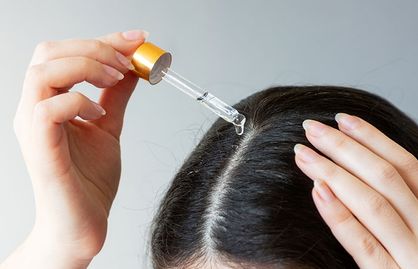
Protecting your hair from damage is essential to maintaining its health and potentially delaying the onset of grey hair. Avoiding excessive heat styling and harsh chemical treatments can help prevent damage to the hair follicles and preserve the natural pigmentation of your hair. Additionally, using gentle hair care products, minimising exposure to environmental pollutants, and incorporating regular deep conditioning treatments can all contribute to keeping your hair strong, vibrant, and less prone to premature greying.
FAQs
Can grey hair be reversed or prevented with specific dietary changes or supplements?
While dietary changes and supplements may support overall hair health, reversing or preventing grey hair solely through these methods is not scientifically proven. However, ensuring a balanced diet rich in essential nutrients can promote healthy hair growth and delay the onset of premature greying.
How does ageing affect the natural pigment production in hair follicles, leading to grey hair?
As individuals age, the melanocytes responsible for producing melanin in hair follicles gradually decrease in number and activity. This natural aging process results in a reduction of pigment production, leading to the appearance of grey hair over time.
Are there any effective Indian home remedies to help manage and reduce grey hair?
Indian home remedies for grey hair may include applying herbal pastes or oils like amla (Indian gooseberry), curry leaves, henna, coconut-based oil, or sesame oil to nourish the scalp and hair follicles. These traditional remedies are believed to help maintain hair health and potentially slow down the greying process.
Can stress and lifestyle factors accelerate the greying process of hair?
Chronic stress and unhealthy lifestyle choices can impact the body's ability to produce melanin, leading to premature greying of hair. Managing stress through relaxation techniques, exercise, and a balanced lifestyle can help mitigate its effects on hair health and colour.
What role does genetics play in determining when someone's hair turns grey?
Genetics play a significant role in determining the onset of grey hair, including the age at which it appears and the rate of greying. Variations in genes related to melanin production and regulation can influence the timing and extent of grey hair in individuals.
Does exposure to environmental factors like pollution and UV radiation contribute to premature greying of hair?
Environmental factors such as pollution and UV radiation can contribute to oxidative stress and damage to hair follicles, potentially accelerating the greying process. Protecting hair from environmental pollutants and UV rays with hats or hair care products can help maintain hair health and colour.
How can a proper hair care routine and scalp health maintenance delay the onset of grey hair?
Maintaining a consistent hair care routine, including gentle cleansing, conditioning, and scalp massages, can promote hair health and delay the appearance of grey hair. Keeping the scalp clean, well-nourished, and free from buildup can support healthy hair growth and pigment production.
Can using heat styling tools excessively speed up the greying process of hair?
Excessive use of heat styling tools like straighteners or blow dryers can damage the hair shaft and weaken the follicles, but it is not directly linked to the greying process. However, minimising heat exposure and using heat protectant products can help maintain hair health and reduce damage.
What impact do smoking and certain habits have on the appearance of grey hair?
Smoking and certain habits like excessive alcohol consumption can contribute to oxidative stress and damage to hair follicles, potentially accelerating the greying process. Adopting a healthy lifestyle with proper nutrition and habits can support overall hair health and colour.
Are there any natural remedies or treatments that can help slow down or manage grey hair effectively?
Natural remedies such as herbal oils utilising the goodness of curry leaves, coconut, Ayurvedic treatments, and nutrient-rich hair masks may help nourish the scalp and hair follicles, promoting healthy hair growth and potentially slowing down the greying process. However, individual results may vary, and consulting a healthcare professional is recommended.
How can individuals embrace and style grey hair gracefully while maintaining its health and shine?
Embracing grey hair as a natural part of ageing can be empowering, and styling techniques like silver shampoos, gentle hair care products, and professional trims can help maintain the health and shine of grey hair. Experimenting with different hairstyles and embracing one's unique silver strands can enhance confidence and style.

Hair Fall in Winter: What is it, and How to Stop Hair it?
Struggling with excess hair fall in winter? Learn the science behind seasonal shedding and try Ayurvedic remedies, gentle care and diet tips to keep hair strong and healthy.

2025-11-17

5 min

Shilpee Singh
Hair Thinning: Causes of Thin Hair, Myths and Treatment
Discover the best treatments to restore volume and strength to thin hair. Learn how to care for thinning hair with natural remedies and expert tips
2025-09-24
6 min
Biswajit Singh
How Much Hairfall is Normal, Can Oil Massage Make a Difference?
Worried about daily hair fall? Learn what’s normal, causes of hair fall & the best Ayurvedic remedies or hair fall and best hair oils to reduce hair fall naturally.
2025-06-30
10 min
Srijita Biswas
How to Control Hair Fall?
Discover how to stop hair fall and control hair fall with natural remedies, scalp care tips, and lifestyle changes for stronger, healthier hair.
2025-06-23
10 min
Shilpee Singh
Difference Between Hair Fall and Hair Loss – And How to Manage Both
Learn the difference between hair fall & hair loss. Discover causes, remedies & the best ayurvedic hair oil for hair fall & improve hair health naturally.
2025-06-18
5 min
Biswajit Singh
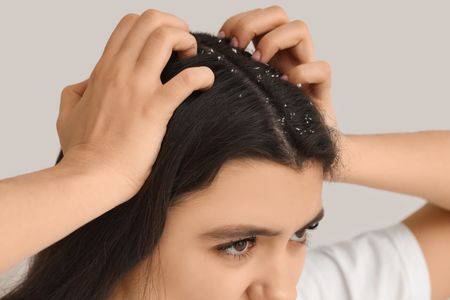
How to Get Rid of Dandruff: Effective Tips That Work
Discover how to get rid of dandruff using simple remedies, expert tips, and scalp care. Treat flakes, itching, and hair fall with proven solutions.
2025-06-17
10 min
Srijita Biswas
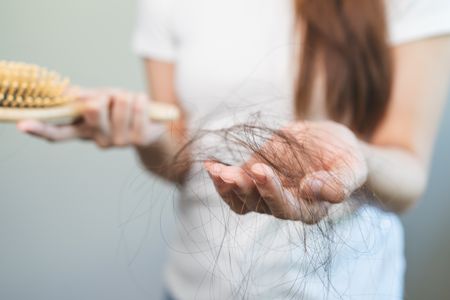
How to Stop Hair Fall Immediately at Home
Learn how to stop hair fall immediately at home with easy tips, lifestyle changes, and the best hair oils for stronger, healthier hair.
2025-06-10
10 min
Shilpee Singh
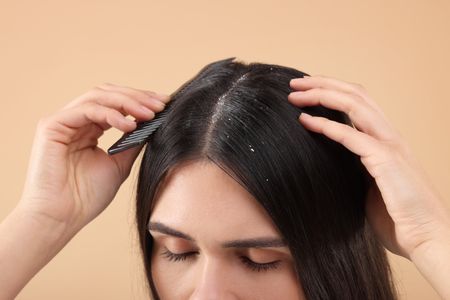
Can Dandruff Cause Hair Fall? How to Combat Hair Fall & Dandruff
Wondering if dandruff causes hair fall? Learn the link between dandruff and hair fall, and discover the causes and effective treatments to maintain a healthy scalp.
2025-06-02
7 min
Biswajit Singh
Easy Home Remedies to Get Rid of Dandruff Naturally
Discover the best natural home remedies for dandruff. Learn the most effective ways to get rid of dandruff at home for a flake-free, healthy scalp.
2025-02-26
7 min
Biswajit Singh
How Pollution Causes Hair Fall & How to Protect It
Discover how pollution damages your hair and leads to hair fall. Learn effective remedies, including using Ayurvedic Coconut Hair Oil, to keep your hair healthy and strong.
2025-01-21
7 min
Shilpee Singh
4 Ayurvedic Remedies for Hair Fall (Effective Natural Solutions)
Discover powerful Ayurvedic remedies for hair fall, including DIY recipes and Ayurvedic hair oils. Learn hair fall remedies and promote growth with these holistic solutions!
2024-12-09
6 min
Biswajit Singh
Jatamansi for Hair: Benefits, Uses, and History
Explore the Jatamansi benefits for hair health. Learn how Jatamansi promotes hair growth, reduces hair fall, & improves scalp health. Discover its uses & tips for hair care.
2024-11-29
8 min
Shilpee Singh
4 Easy Ways To Detangle your Hair
Struggling with tangled hair? Learn gentle detangling techniques and expert tips to safely and effectively manage extremely tangled hair while preventing breakage.
2024-11-28
8 min
Srijita Biswas
Brahmi Benefits for strong hair & healthy scalp
Explore the top Brahmi benefits for hair including promoting hair growth, reducing hair fall, strengthening roots & improving scalp health with Ayurvedic care tips.
2024-11-27
9 min
Shilpee Singh

Overnight Hair Oiling with Coconut Based Hair Oil: Benefits and Effective Hair Fall Remedies
Discover the pros and cons of overnight hair oiling with coconut oil. Learn how to nourish your hair, prevent hair fall, and repair damage with effective hair fall remedies.
2024-10-18
9 min
Shilpee Singh
Ayurvedic Hair Oil for Hair Fall: Why Should You Choose It?
Discover the benefits of Ayurvedic hair oil for hair fall prevention. Learn how Ayurvedic ingredients nourish the scalp, improve blood circulation, and promote healthy hair growth.
2024-09-26
5 min
Srijita Biswas
6 Easy Home Remedies for Hair Fall
Try these home remedies for hair fall using natural ingredients. Discover simple, effective tips to reduce hair fall and improve scalp health without harsh chemicals.
2024-09-23
6 min
Srijita Biswas
Vitamins and Other Nutrients That Can Help Prevent Hair Fall
Discover the best vitamins & supplements to prevent hair fall. Learn which vitamins are good for hair fall control & how to stop hair fall with the right nutrients.
2024-08-14
7 min
Shilpee Singh

4 Tips to Build a Hair Care Routine to Minimise Hair Fall
Learn how to build an effective hair care routine to minimize hair fall. Get tips & steps for creating a hair care routine that promotes hair growth & health.
2024-08-13
8 min
Biswajit Singh
Hibiscus for Hair: Uses & Benefits for Gorgeous Hair!
The powerful hibiscus benefits for hair, including how hibiscus for hair growth can boost volume, treats dandruff and prevents greying. Learn expert tips for healthy hair growth.
2024-07-23
7 min
Shilpee Singh
Essential Tips for Maintaining a Healthy Scalp and Preventing Hair Fall
Learn essential tips for maintaining a healthy hair and preventing hair fall. Discover how regular scalp massages, a healthy diet, and curry leaves hair oil can keep your scalp in top condition.
2024-07-19
9 min
Biswajit Singh

Can Stress Cause Hairfall? - Tips to Manage Stress & Avoid Hair Loss
Discover how stress can lead to hair fall, thinning hair, and alopecia. Learn effective management tips to reduce stress and promote healthy hair growth.
2024-07-18
10 min
Shilpee Singh
Daily Habits That Cause Hair Fall
Discover daily habits that may be causing hair fall and learn effective tips to stop hair fall. Know why hair fall occurs and how to maintain healthy hair.
2024-07-16
10 min
Srijita Biswas
5 Tips for Hair Growth: Effective Methods to grow your hair naturally
Discover 5 simple tips for hair growth, including natural remedies, nutrition, hair oil massages, and lifestyle changes to support stronger, longer, and healthier hair.
2024-07-03
10 min
Shilpee Singh
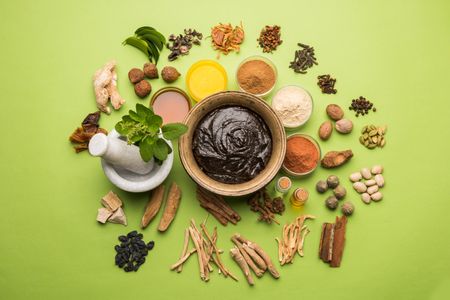
Ayurveda Ancient Secrets for Modern Hair Care
Explore ayurvedic hair treatments for hair loss and the best ayurvedic hair oils for hair fall. Unlock ancient secrets for modern hair growth and care
2024-07-03
10 min
Biswajit Singh

Role of Vitamin Deficiency in Hair Fall
Understand how vitamin deficiency causes hair fall, discover effective ways to combat it, and learn about essential vitamins for hair health and how to prevent nutritional deficiencies.
2024-06-20
10 min
Biswajit Singh
Onion Hair Oil Benefits for Hair Growth
Discover the top onion hair oil benefits for hair growth and scalp care. Learn how onion oil nourishes roots, tackles thinning, and improves hair strength naturally.
2024-06-07
7 min
Biswajit Singh
How to Stop Hair Fall: Causes and Hair Fall Remedies
Discover the common causes of hair fall and explore the best Ayurvedic hair oils for hair fall with amla and coconut, plus natural treatments proven to reduce hair fall.
2023-07-28
10 mins
Biswajit Singh
How to Use Onion for Hair: 5 Best Ways for Stronger Strands
Did you know that besides adding flavour to your food, red onions can also help promote healthy hair growth? Today, we discuss some simple yet effective ways in which you can use red onions to create DIY remedies to address various hair concerns for healthy and strong hair.
2023-07-10
10 mins
Srijita Biswas
How to Make Hair Strong & Thick from the Roots to Tip
Strengthening your strands from within is essential to make it resilient and ensure natural hair growth. Read on to learn about 5 effective ways to nourish your hair comprehensively including diet, natural oil like Parachute Advansed Onion Hair Oil and more.
2023-07-09
10 mins
Biswajit Singh
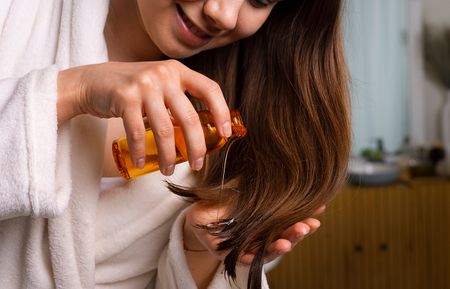
4 Simple Ways to include Jasmine-Infused Coconut-Based Hair Oil in Your Hair Care Regime
A Jasmine-infused hair oil, like the Parachute Advansed Jasmine Hair Oil, is lightweight and has a sweet and calming fragrance. And besides using it as a regular hair oil for a relaxing massage session, you can also implement it into your hair care regime in several other ways. So, continue reading to learn about how you can employ this highly versatile hair oil in your daily hair care regime.
2023-07-05
10 mins
Srijita Biswas
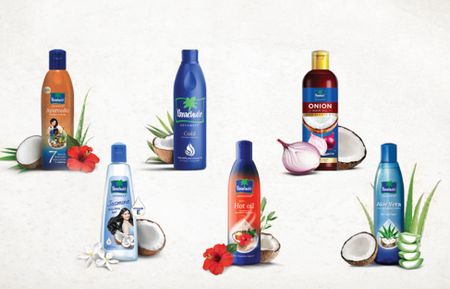
What to look for in a Perfect Hair Oil?
Every individual has their own hair concerns. So, how can one hair oil be the solution to all of their problems? Today we look at some of the factors that you must consider before you go ahead and purchase a hair oil for your hair care routine.
2023-06-23
10 mins
Srijita Biswas
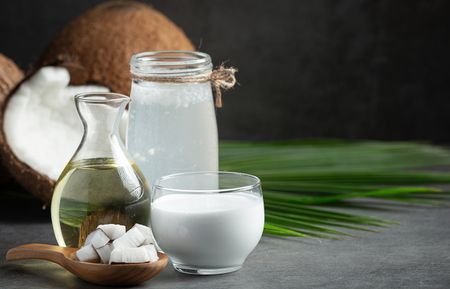
5 Benefits of Coconut-based Hair Oils and Coconut Milk for Hair
Coconut milk and coconut-based hair oils nourish the scalp and hair structure from within and work as a protective layer against protein decay. It helps to improve several hair problems. Know the benefits of coconut milk and coconut-based hair oil. You can also explore Parachute Advansed Jasmine Hair Oil for comprehensive hair care.
2023-06-19
10 mins
Biswajit Singh

Tips for Hair Growth: Maintain Hair Thickness and boost hair growth with these 5 methods
Boost healthy hair growth with 6 simple tips at home. Try scalp massage, balanced diet & Ayurvedic coconut hair oil for stronger, thicker hair.
2023-06-14
10 mins
Srijita Biswas
Understanding Hair Fall & Hair Breakage: Causes, Types, and Prevention
Hair fall and hair breakage occur due to weak hair follicles. Causes include poor diet, improper care, chemicals, environment, and medical issues. Consult a doctor for severe hair loss. Use natural products like Parachute Advansed Onion Hair Oil, reduce stress, and improve nutrition to treat and prevent these problems.
2023-06-13
10 mins
Biswajit Singh
You may also like