Hair Thinning
Understanding and Combating Hair Thinning
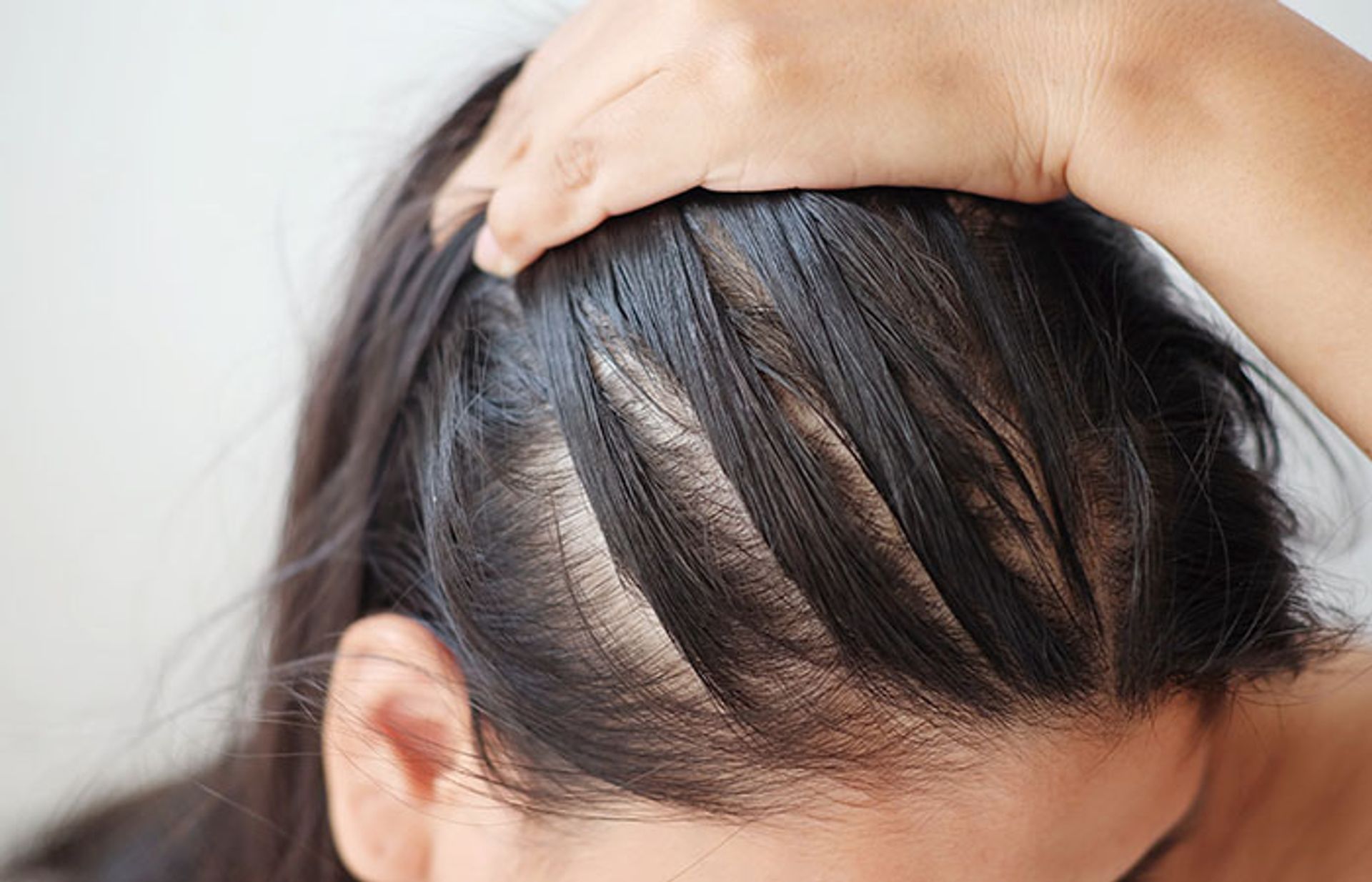
Waking up to broken strands on your pillowcase, floor, or sink can be a distressing sight. It may even make you think twice about indulging in basic practices including hair washing, drying, etc. Watching your hair fall out abruptly or in large amounts is difficult, but losing 50 to 100 hair strands daily is considered normal unless it persists and leads to thinning. Hair thinning isn't physically painful, but it can significantly impact your emotional well-being. Various factors contribute to hair thinning, including medical conditions, aging, and more. If your thinning hair isn't caused by medical conditions but by factors like nutritional deficiencies, stress, or improper haircare practices, this page offers effective solutions to help you prevent and manage hair thinning in women.
Causes of Hair Thinning
1

Crash Diet
If you fail to provide your hair with essential nutrients, including vitamin D, iron, zinc, and others, it will weaken the follicles responsible for new hair growth. Neglecting the nutrient-rich foods and overconsuming sugary and processed foods can ruin hair health, leading to a hair-thinning problem.
2

Chronic Stress
Stress has an adverse effect on the hair growth cycle. Although the effect isn't evident in weeks or so, it gradually put hair follicles to a resting phase 'telogen' and prevents new hair growth.
3
Using Harsh Hair Products
Not knowing the ingredients in the hair products we use isn’t just a simple oversight—it can have a significant impact. The products you have been using might be packed with harsh chemical formulations that may not be suitable for your scalp, potentially causing more harm than good. Using such products can lead to scalp irritation, inflammation, and, over time, issues like hair thinning and even baldness.
4
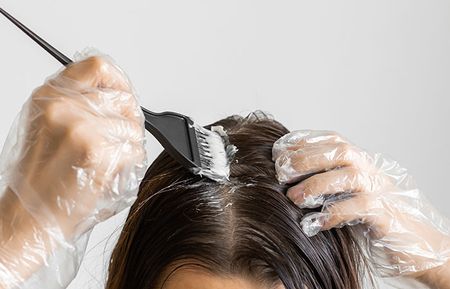
Excessive Chemical Treatments
Chemical treatments can give your hair a stunning look, but it's important to remember that they can also change its natural structure. Over time, these treatments can leave your strands feeling brittle. The harsh chemicals often strip away your hair's natural oils, leaving it vulnerable and gradually weakening the hair shaft, and thus this eventually becomes the reason for hair thinning.
5
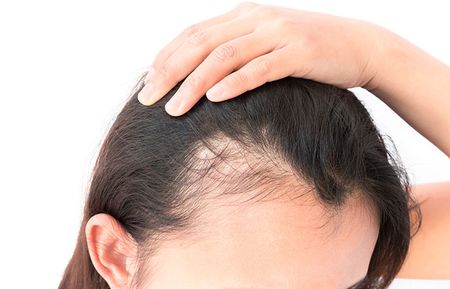
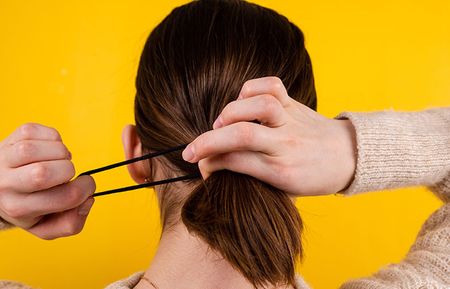
Tight Hairstyles
Tight hairstyles can look stylish, but they can also put significant stress on your scalp, sometimes leading to a condition called traction alopecia. Styles like cornrows, sleek buns, or tightly pulled braids may increase the risk of damage. The constant pulling on your hair can weaken it at the follicles, eventually contributing to thin hair or bald spots over time.
Solutions for Hair Thinning
Hair thinning can feel disheartening, but the good news is that, unless it's caused by age or hormonal imbalances, it can be reduced with the right changes. A great starting point is incorporating a nourishing hair oil specifically designed for thin hair. Look for one enriched with essential nutrients that promote hair growth and restore scalp health. While we'll explore which 'hair thinning oil' works best, let's first take a look at some other remedies for hair thinning you can try to support your hair's recovery and vitality.

Improve Your Diet
How to address hair thinning? Here's what you should do first: If you're following a crash diet, it's time to reconsider—it could be taking a toll on your hair. Your hair needs essential nutrients like protein, zinc, fatty acids, and more to stay strong and healthy. A nutrient-deficient diet can deprive your hair of these vital elements, leaving your follicles weaker and unable to support natural growth. Prioritising a balanced diet rich in these nutrients can make a world of difference for your hair's health, stopping hair thinning effectively.
Massage Your Scalp
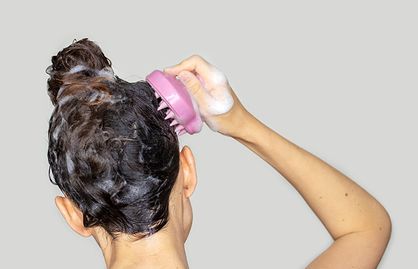
Scalp massage has been practiced for years and is known to gradually improve hair health. You can gently massage your scalp using your fingertips or a scalp massager while taking a shower. For a more relaxing experience and added nourishment, you can occasionally use a hair growth oil sparingly during the massage.

Indulge in Exercise, Yoga or Physical Activites
Don’t know what to do with hair thinning at the scalp? Follow this next hair thinning solution: Engage in activities that help reduce stress and eliminate negativity from your life. Stress is harmful to hair health, as it can push an unusually large number of hair follicles into the resting phase, causing rapid hair loss. The hair growth cycle is unlikely to revive unless stress is kept under control. To manage stress, try going for a walk, cycling, hitting the gym, practicing yoga, or doing breathing exercises—all of which can help keep your stress levels in check and maintain healthy hair.
Switch to Protective Hairstyles
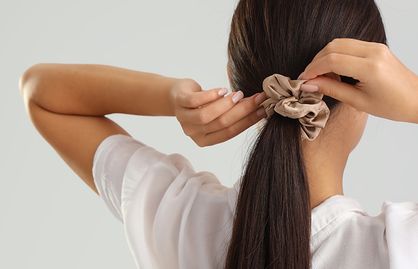
It might be hard to give up sleek ponytails or tight braids, but some of these hair thinning hairstyles put immense stress on the follicles and can contribute to baldness in women. Instead of opting for thin hair hairstyles, choose protective styles that are easy to create and, most importantly, gentle on the scalp. These styles won't cause hair thinning conditions like traction alopecia.
Evaluate Your Hair Care Practices
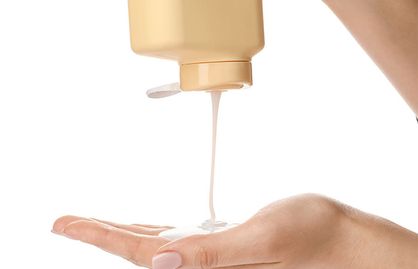
We need certain hair care products to remove dirt from the scalp, hydrate locks, and add sheen, while keeping overall hair nourished. While we use it for several reasons, some of which may contain ingredients that rather contribute to nourishment and growth cause harm. So ensure that you use sulphate-free shampoo or essentials that aren’t packed with harsh chemicals. Also, incorporate a hair oil that rejuvenate your scalp and helps grow hair stronger and healthier.
One of the Best Hair Oils for Strong Hair
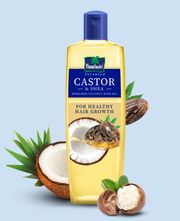
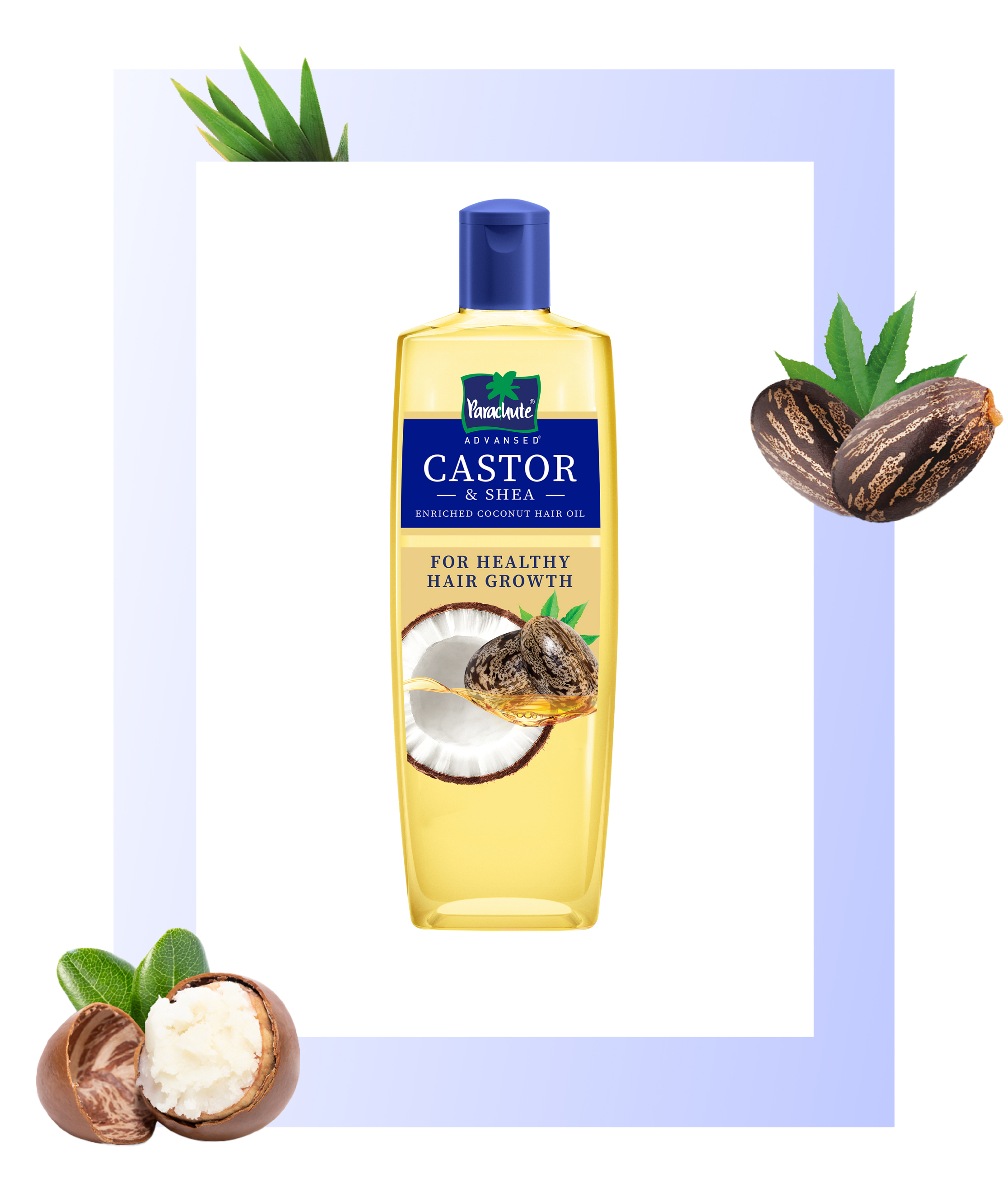
Hair oiling has been a part of traditional practices for centuries and continues to thrive today. Hair oils enriched with Vitamin E hold a significant place in most Indian households; getting a champi with coconut based hair oil not only boosts blood circulation in the scalp but also nourishes the hair from within.,Hair thinning, a serious concern often caused by age-related factors, can be addressed effectively. While such issues might seem daunting, they can sometimes be reduced with the right hair care practices. One of the most effective solutions is incorporating a coconut-based hair oil into your daily hair care routine.,Try the Parachute Advansed Castor & Shea Enriched Coconut Hair Oil, which deeply nourishes and moisturises the scalp, making hair stronger and longer. Apply a generous amount of one of the best castor oil for hair, leave it on for 30 minutes, and then rinse thoroughly with a mild shampoo.
FAQs
What is the difference between fine and thin hair?
Fine hair refers to the diameter of individual hair strands, which are smaller and more delicate compared to other hair types. Thin hair describes hair density, meaning fewer strands on the scalp. It's possible to have fine hair that's thick in density or coarse hair that's thin in density.
Which Parachute Advansed hair oils help make long and healthy hair?
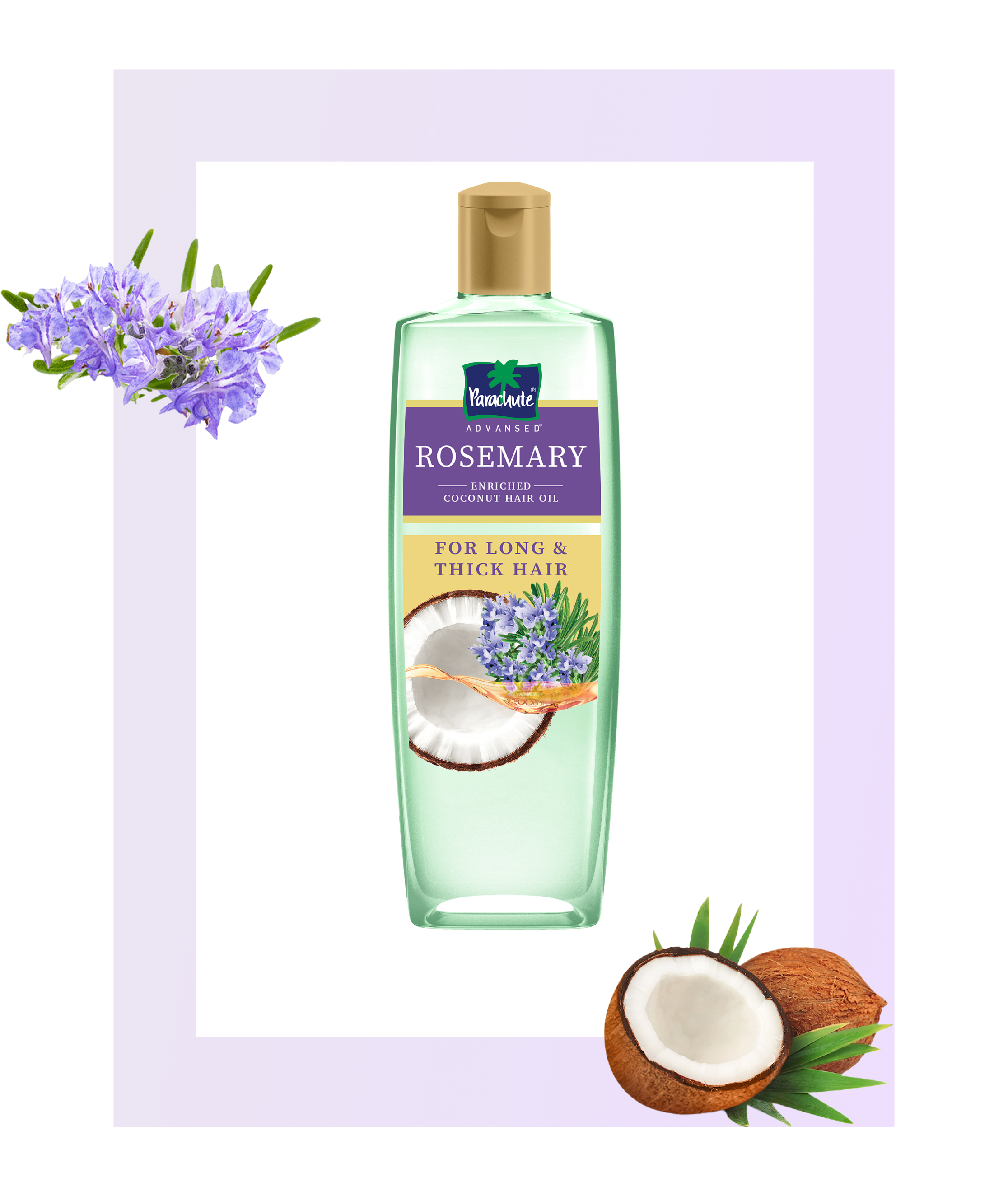
There are two products: Parachute Advansed Castor & Shea Enriched Coconut Hair Oil and Parachute Advansed Rosemary Enriched Coconut Hair Oil that help make longer and healthier hair.
When can you say that your hair is getting thinner?
When you experience abrupt and excessive hair loss, along with a visible scalp, it indicates the beginning of hair thinning, which is a concerning issue.
Do heat styling tools cause hair thinning?
The excess use of heat styling tools doesn't directly cause hair thinning. But it weakens the hair follicles and causes breakage and eventually makes hair so weaker, and hair begins to appear thinner.
How does diet impact hair fall?
Deficiency of essential nutrients in our body can cause hair fall problems. Incorporating a healthy diet provides necessary nutrition to the hair, reducing hair fall.

Hair Fall in Winter: What is it, and How to Stop Hair it?
Struggling with excess hair fall in winter? Learn the science behind seasonal shedding and try Ayurvedic remedies, gentle care and diet tips to keep hair strong and healthy.

2025-11-17

5 min

Shilpee Singh
Hair Thinning: Causes of Thin Hair, Myths and Treatment
Discover the best treatments to restore volume and strength to thin hair. Learn how to care for thinning hair with natural remedies and expert tips
2025-09-24
6 min
Biswajit Singh
How Much Hairfall is Normal, Can Oil Massage Make a Difference?
Worried about daily hair fall? Learn what’s normal, causes of hair fall & the best Ayurvedic remedies or hair fall and best hair oils to reduce hair fall naturally.
2025-06-30
10 min
Srijita Biswas
How to Control Hair Fall?
Discover how to stop hair fall and control hair fall with natural remedies, scalp care tips, and lifestyle changes for stronger, healthier hair.
2025-06-23
10 min
Shilpee Singh
Difference Between Hair Fall and Hair Loss – And How to Manage Both
Learn the difference between hair fall & hair loss. Discover causes, remedies & the best ayurvedic hair oil for hair fall & improve hair health naturally.
2025-06-18
5 min
Biswajit Singh
How to Get Rid of Dandruff: Effective Tips That Work
Discover how to get rid of dandruff using simple remedies, expert tips, and scalp care. Treat flakes, itching, and hair fall with proven solutions.
2025-06-17
10 min
Srijita Biswas
How to Stop Hair Fall Immediately at Home
Learn how to stop hair fall immediately at home with easy tips, lifestyle changes, and the best hair oils for stronger, healthier hair.
2025-06-10
10 min
Shilpee Singh
Can Dandruff Cause Hair Fall? How to Combat Hair Fall & Dandruff
Wondering if dandruff causes hair fall? Learn the link between dandruff and hair fall, and discover the causes and effective treatments to maintain a healthy scalp.
2025-06-02
7 min
Biswajit Singh
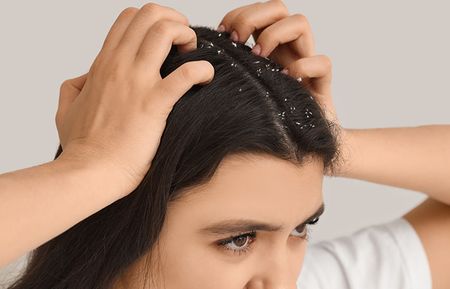
Easy Home Remedies to Get Rid of Dandruff Naturally
Discover the best natural home remedies for dandruff. Learn the most effective ways to get rid of dandruff at home for a flake-free, healthy scalp.
2025-02-26
7 min
Biswajit Singh
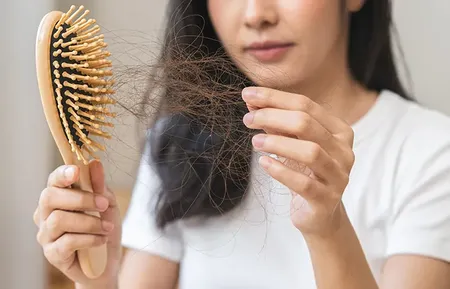
How Pollution Causes Hair Fall & How to Protect It
Discover how pollution damages your hair and leads to hair fall. Learn effective remedies, including using Ayurvedic Coconut Hair Oil, to keep your hair healthy and strong.
2025-01-21
7 min
Shilpee Singh
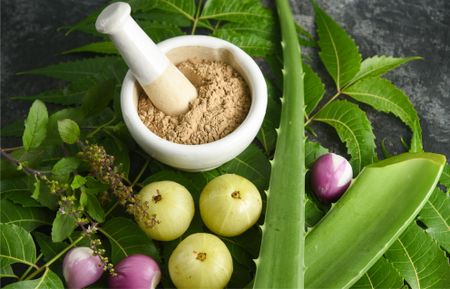
4 Ayurvedic Remedies for Hair Fall (Effective Natural Solutions)
Discover powerful Ayurvedic remedies for hair fall, including DIY recipes and Ayurvedic hair oils. Learn hair fall remedies and promote growth with these holistic solutions!
2024-12-09
6 min
Biswajit Singh
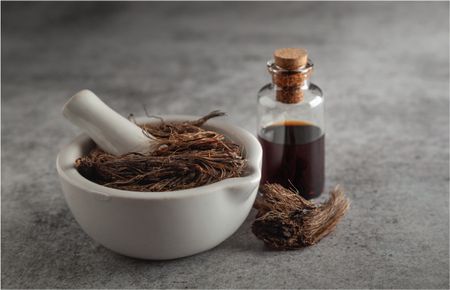
Jatamansi for Hair: Benefits, Uses, and History
Explore the Jatamansi benefits for hair health. Learn how Jatamansi promotes hair growth, reduces hair fall, & improves scalp health. Discover its uses & tips for hair care.
2024-11-29
8 min
Shilpee Singh
4 Easy Ways To Detangle your Hair
Struggling with tangled hair? Learn gentle detangling techniques and expert tips to safely and effectively manage extremely tangled hair while preventing breakage.
2024-11-28
8 min
Srijita Biswas
Brahmi Benefits for strong hair & healthy scalp
Explore the top Brahmi benefits for hair including promoting hair growth, reducing hair fall, strengthening roots & improving scalp health with Ayurvedic care tips.
2024-11-27
9 min
Shilpee Singh

Overnight Hair Oiling with Coconut Based Hair Oil: Benefits and Effective Hair Fall Remedies
Discover the pros and cons of overnight hair oiling with coconut oil. Learn how to nourish your hair, prevent hair fall, and repair damage with effective hair fall remedies.
2024-10-18
9 min
Shilpee Singh
Ayurvedic Hair Oil for Hair Fall: Why Should You Choose It?
Discover the benefits of Ayurvedic hair oil for hair fall prevention. Learn how Ayurvedic ingredients nourish the scalp, improve blood circulation, and promote healthy hair growth.
2024-09-26
5 min
Srijita Biswas
6 Easy Home Remedies for Hair Fall
Try these home remedies for hair fall using natural ingredients. Discover simple, effective tips to reduce hair fall and improve scalp health without harsh chemicals.
2024-09-23
6 min
Srijita Biswas
Vitamins and Other Nutrients That Can Help Prevent Hair Fall
Discover the best vitamins & supplements to prevent hair fall. Learn which vitamins are good for hair fall control & how to stop hair fall with the right nutrients.
2024-08-14
7 min
Shilpee Singh

4 Tips to Build a Hair Care Routine to Minimise Hair Fall
Learn how to build an effective hair care routine to minimize hair fall. Get tips & steps for creating a hair care routine that promotes hair growth & health.
2024-08-13
8 min
Biswajit Singh
Hibiscus for Hair: Uses & Benefits for Gorgeous Hair!
The powerful hibiscus benefits for hair, including how hibiscus for hair growth can boost volume, treats dandruff and prevents greying. Learn expert tips for healthy hair growth.
2024-07-23
7 min
Shilpee Singh
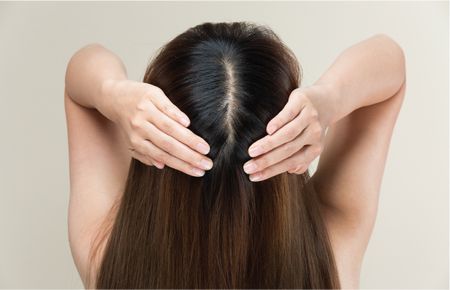
Essential Tips for Maintaining a Healthy Scalp and Preventing Hair Fall
Learn essential tips for maintaining a healthy hair and preventing hair fall. Discover how regular scalp massages, a healthy diet, and curry leaves hair oil can keep your scalp in top condition.
2024-07-19
9 min
Biswajit Singh
Can Stress Cause Hairfall? - Tips to Manage Stress & Avoid Hair Loss
Discover how stress can lead to hair fall, thinning hair, and alopecia. Learn effective management tips to reduce stress and promote healthy hair growth.
2024-07-18
10 min
Shilpee Singh
Daily Habits That Cause Hair Fall
Discover daily habits that may be causing hair fall and learn effective tips to stop hair fall. Know why hair fall occurs and how to maintain healthy hair.
2024-07-16
10 min
Srijita Biswas
5 Tips for Hair Growth: Effective Methods to grow your hair naturally
Discover 5 simple tips for hair growth, including natural remedies, nutrition, hair oil massages, and lifestyle changes to support stronger, longer, and healthier hair.
2024-07-03
10 min
Shilpee Singh
Ayurveda Ancient Secrets for Modern Hair Care
Explore ayurvedic hair treatments for hair loss and the best ayurvedic hair oils for hair fall. Unlock ancient secrets for modern hair growth and care
2024-07-03
10 min
Biswajit Singh

Role of Vitamin Deficiency in Hair Fall
Understand how vitamin deficiency causes hair fall, discover effective ways to combat it, and learn about essential vitamins for hair health and how to prevent nutritional deficiencies.
2024-06-20
10 min
Biswajit Singh
Onion Hair Oil Benefits for Hair Growth
Discover the top onion hair oil benefits for hair growth and scalp care. Learn how onion oil nourishes roots, tackles thinning, and improves hair strength naturally.
2024-06-07
7 min
Biswajit Singh
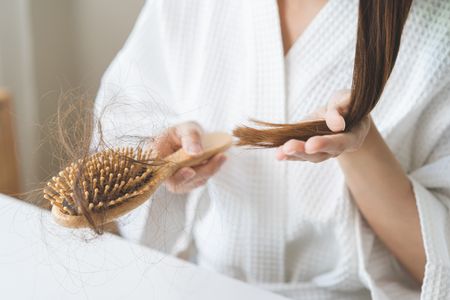
How to Stop Hair Fall: Causes and Hair Fall Remedies
Discover the common causes of hair fall and explore the best Ayurvedic hair oils for hair fall with amla and coconut, plus natural treatments proven to reduce hair fall.
2023-07-28
10 mins
Biswajit Singh
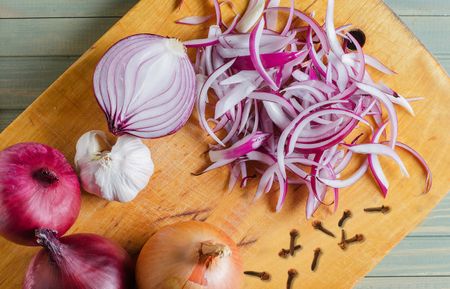
How to Use Onion for Hair: 5 Best Ways for Stronger Strands
Did you know that besides adding flavour to your food, red onions can also help promote healthy hair growth? Today, we discuss some simple yet effective ways in which you can use red onions to create DIY remedies to address various hair concerns for healthy and strong hair.
2023-07-10
10 mins
Srijita Biswas
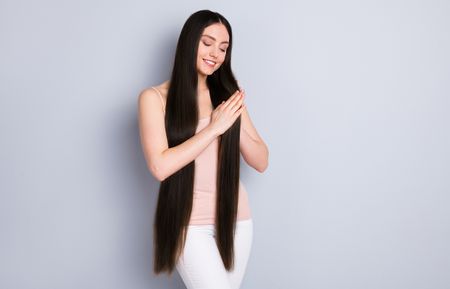
How to Make Hair Strong & Thick from the Roots to Tip
Strengthening your strands from within is essential to make it resilient and ensure natural hair growth. Read on to learn about 5 effective ways to nourish your hair comprehensively including diet, natural oil like Parachute Advansed Onion Hair Oil and more.
2023-07-09
10 mins
Biswajit Singh
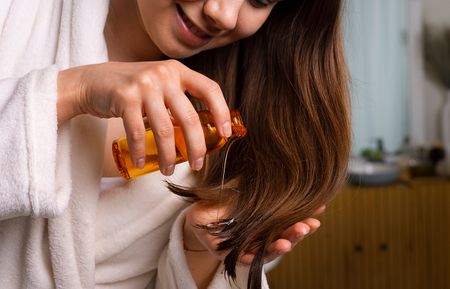
4 Simple Ways to include Jasmine-Infused Coconut-Based Hair Oil in Your Hair Care Regime
A Jasmine-infused hair oil, like the Parachute Advansed Jasmine Hair Oil, is lightweight and has a sweet and calming fragrance. And besides using it as a regular hair oil for a relaxing massage session, you can also implement it into your hair care regime in several other ways. So, continue reading to learn about how you can employ this highly versatile hair oil in your daily hair care regime.
2023-07-05
10 mins
Srijita Biswas
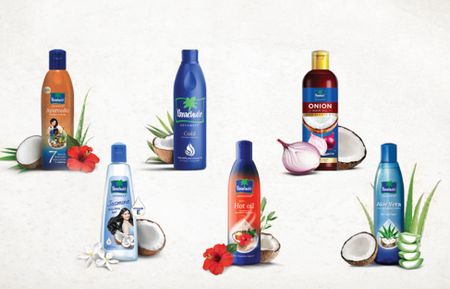
What to look for in a Perfect Hair Oil?
Every individual has their own hair concerns. So, how can one hair oil be the solution to all of their problems? Today we look at some of the factors that you must consider before you go ahead and purchase a hair oil for your hair care routine.
2023-06-23
10 mins
Srijita Biswas
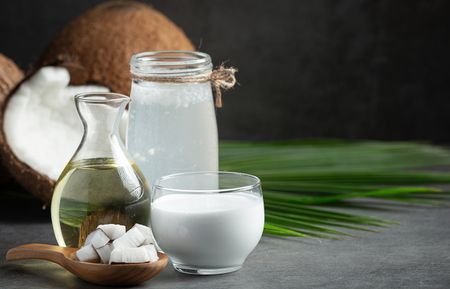
5 Benefits of Coconut-based Hair Oils and Coconut Milk for Hair
Coconut milk and coconut-based hair oils nourish the scalp and hair structure from within and work as a protective layer against protein decay. It helps to improve several hair problems. Know the benefits of coconut milk and coconut-based hair oil. You can also explore Parachute Advansed Jasmine Hair Oil for comprehensive hair care.
2023-06-19
10 mins
Biswajit Singh

Tips for Hair Growth: Maintain Hair Thickness and boost hair growth with these 5 methods
Boost healthy hair growth with 6 simple tips at home. Try scalp massage, balanced diet & Ayurvedic coconut hair oil for stronger, thicker hair.
2023-06-14
10 mins
Srijita Biswas
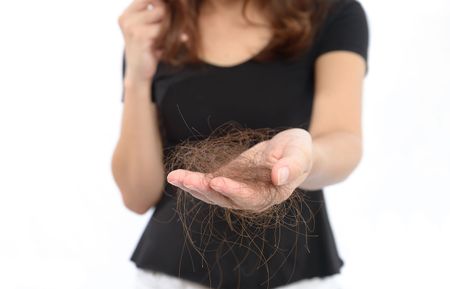
Understanding Hair Fall & Hair Breakage: Causes, Types, and Prevention
Hair fall and hair breakage occur due to weak hair follicles. Causes include poor diet, improper care, chemicals, environment, and medical issues. Consult a doctor for severe hair loss. Use natural products like Parachute Advansed Onion Hair Oil, reduce stress, and improve nutrition to treat and prevent these problems.
2023-06-13
10 mins
Biswajit Singh
You may also like