Back
How to Get Rid of Dandruff on Oily Scalp?

Jun 16, 2025

10 min

Srijita Biswas
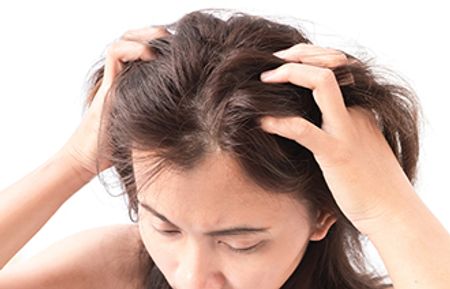
How to get rid of dandruff? Well, a few problems feel much worse when they actually appear than we initially could imagine. Dandruff is one of them, something no one ever wants to deal with. It can take a toll on your mental well-being, and it’s exhausting to book specialist appointments one after another when the condition worsens. Also, if you’re wondering, ‘Does dandruff cause hair fall?’, Yes, that also can happen. That’s why it’s essential to treat dandruff at its early stage; otherwise, it can spread to the hairline and forehead and may even lead to hair fall. If you’re seeking solutions for oily dandruff and want to restore your hair’s health using time-tested methods, keep reading this blog. We will briefly touch upon the causes of dandruff in hair and show you how to get rid of dandruff effectively.
Causes of Dandruff in Hair

There are plenty of reasons for dandruff, such as:
- Humidity
- Poor hygiene or irregular washing
- Wrong shampoo or hair care products
- Overproduction of oil in the scalp
Among these, the leading cause of dandruff in hair is the overgrowth of a yeast called Malassezia, a condition commonly referred to as seborrhoeic dermatitis in dermatological terms. Malassezia naturally lives on the scalp and feeds on the oils it produces.
This triggers an autoimmune response, resulting in flakes, itchiness, and irritation, which we commonly recognise as dandruff. Fortunately, dandruff on oily hair or scalp can be managed effectively.
Ways to Stop Dandruff on Oily Scalp
Let’s discover some useful methods to combat dandruff on oily scalp:
-
Use an Anti-Dandruff Shampoo

Switch to shampoos that control oil production and fight against itchy, oily dandruff. Ensure that the product contains ingredients such as Zinc Pyrithione, Salicyclic, and more, which remove excess oil, dirt, and flakiness, contributing to scalp care. You can also explore natural or home remedies for dandruff, which often provide effective results without being expensive.
2. Wash Hair Frequently

Medicated products are a must, but the focus should also be on frequent washing. Flaking can lead to severe issues and worsen the greasy effect; so it’s advisable to wash hair daily and maintain this routine for a while. This is one of the easiest and most effective treatments for oily scalp dandruff.
3. Consider Scalp Scrub

Using a scalp scrub can help in two ways: First, it exfoliates to remove excess oil and clears buildup that can lead to issues like hair breakage. You can try this even if your dandruff isn’t severe. Second, it helps remove dirt and debris without stripping your hair of moisture.
4. Avoid Blow Drying

Heat styling tools can worsen oily dandruff by disrupting the scalp’s microbiome. It’s best to limit the use of blow dryers and opt for heatless hairstyles that prevent friction and scalp irritation.
5. Try Apple Cider Vinegar

Dandruff from oily hair grows itchy, oily, and yellowish and forms larger flakes compared to dry dandruff. And it tends to persist and spread quickly. Apple cider vinegar can help alleviate the condition due to its antifungal and disinfectant properties, though evidence is limited.
Here’s how to use apple cider vinegar to control oily dandruff:
- Step 1 - Mix 2 parts of apple cider vinegar with 1 part water.
- Step 2 - Apply it to your scalp and let it sit for 15 minutes.
- Step 3 - Rinse it out with warm water.
- Step 4 - Do this twice a week. Be careful not to get it in your eyes.
Note: If you have a sensitive scalp, consult a doctor before using, as it may cause irritation.
6. Eat Healthy

Whether it's hair fall, breakage, dryness, or dandruff, maintaining a healthy diet works wonders. The scalp can react adversely to junk food. A diet high in sugar and unhealthy fats can worsen seborrhoeic dermatitis by promoting fungal growth. Eliminate such foods and instead consume meals rich in protein, healthy fats, omega fatty acids, and vitamins, especially Vitamin E, which supports the growth of hair and its maintenance.
Conclusion
Fixing an itchy scalp at its developing stage is necessary and convenient if you follow certain routines and incorporate good habits. Usually, it takes a couple of weeks to get back to normal, non-itchy state. However, it’s advisable to reach out to a specialist if it doesn’t stop or fails to show results, as the condition may vary as per one’s hair care history, genetics, and lifestyle. Ensure that you don’t overdo it or treat dandruff in time, as there can be several reasons for dandruff, and it can sometimes lead to hair fall; dandruff doesn’t directly cause hair fall but weakens follicles and disrupts the hair growth cycle. Be committed to a healthy hair care routine and follow the oily scalp and dandruff solutions listed above.
Frequently Asked Questions
1. How to reduce oily dandruff?
Use anti-dandruff shampoos with Zinc Pyrithione or Salicylic Acid, avoid heavy oils, and wash your scalp regularly to control excess oil and flakes.
2. Is oily dandruff normal?
Yes, it's common and caused by excess sebum, fungal growth, or poor scalp hygiene. Proper cleansing and medicated shampoos help manage it.
3.How do I stop my scalp from being so oily?
Wash hair more frequently, avoid oil-based products, use clarifying shampoos, and maintain a balanced diet to control sebum production.
4. Does oily dandruff cause hair fall?
Yes, it can cause other hair problems. Oily dandruff can clog follicles and inflame the scalp, leading to hair thinning or temporary hair fall if untreated.
5. Should I wash my hair every day if I have oily dandruff?
Yes, daily washing with a mild anti-dandruff shampoo helps remove excess oil and flakes, reducing scalp irritation.
6. Is hair oiling good for oily hair?oil
No, regular oiling can worsen oily dandruff. Instead, opt for lightweight serums or skip oiling to avoid clogged pores and buildup.
Disclaimer:
Our team picks and curates content we think you will like. Opinions expressed within the content are the creator’s views and do not reflect the opinions and beliefs of the website or that of Parachute Advansed.

SHARE NOW


Vitamin E for Hair: Benefits & How to Use it
Explore the top 5 benefits of vitamin E for hair, including promoting scalp health, boosting growth, reducing greying, and improving hair quality. Learn how to add vitamin E to your routine for healthier, stronger hair.
Sep 2, 2025
10 mins
SHARE NOW
Aloe Vera for Scalp: The Magical Benefits of Aloe Vera Hair Oil for Scalp
Experience the wonders of aloe vera for scalp health. Learn how aloe vera hair oil soothes, nourishes, and promotes a healthy scalp for stronger, shinier hair.
Feb 23, 2023
10 mins
SHARE NOW

Summer Hair Care: How to Protect & Nourish Locks
Discover essential summer hair care tips to keep your locks healthy, hydrated, and damage-free. Learn how to protect hair from sun, heat, frizz and dryness with hydration, gentle cleansing, and nourishing coconut hair oil routines.
May 14, 2024
8 min
SHARE NOW
Best Hair Care Routine for Healthy Hair (Step-by-Step Guide)
Follow this 6-step hair care routine to keep your hair strong, shiny, and healthy. Discover expert tips for the perfect hair care regimen.
May 7, 2024
9 min
SHARE NOW
5 Common Causes and Solutions for Itchy Scalp
Struggling with an itchy scalp? Uncover the 4 common causes of an itchy head and explore effective solutions for relief. Learn how to address scalp itching problems.
Jun 21, 2024
9 min
SHARE NOW