Back
What Causes Scalp Build Up? How to remove it?

Aug 20, 2025

8 min

Shilpee Singh
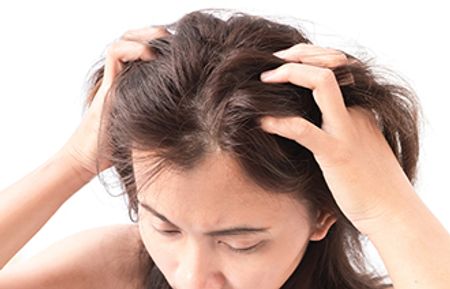
Itching, flaking, and redness become severe and frequent when scalp health suffers. This mostly happens when we don’t give it enough care. Most of us focus on the hair’s mid-length and ends, which are also important, but a healthy scalp is everything, whether you want new, healthy locks or wish to prevent hair concerns. If you haven’t been paying enough attention to scalp health and are noticing buildup that is ruining its condition (and of course, your day), here’s a blog that covers everything. We share and help you remove scalp buildup naturally or keep it healthy.
What is Scalp Buildup?

The name itself can explain what scalp buildup is. It’s the dirt, excess oil, toxins, or residue from hardwater accumulated on your scalp that leads to further hair concerns such as frizzy hair, breakage, or dandruff. There are three main types of scalp buildup: sebum buildup, product residue, and dead skin cells.
In simple terms, sebum buildup happens when the sebaceous glands in the scalp produce excess oil and one knowingly fails to control it. Product residue refers to the leftover traces of shampoo, conditioner, or styling products, whereas dead skin cell buildup occurs when the scalp sheds skin cells more quickly than usual, leading to flakiness and itchiness.
When not properly removed, this buildup has the potential to affect the health and appearance of your mane.
What are the Causes of Scalp Buildup?

Before we jump into different ways of removing product buildup on the scalp, let’s first understand its causes. And by doing so, we can make the necessary adjustments in our hair care routine, so we can fully dedicate ourselves to getting healthier, more lustrous locks.
1. Harsh Ingredients and Unsuitable Substances
Each person is blessed with different hair types and textures, and you can’t always use the same products that others with different hair types prefer. However, it’s important to keep an eye on certain ingredients found in shampoos, conditioners, and hair oils. For example, sulphates, commonly found in shampoos, are used to create lather but can be harsh and are ideally avoided. Similarly, silicones, petroleum, mineral oil, and heavy oils can contribute to buildup on the scalp.
2. Hard Water leading to scalp buildup
Hard water is one of the leading causes of hair fall and hair breakage today. It contains heavy minerals that can negatively affect both the hair and scalp. When used for washing, hard water doesn’t rinse off easily, leaving traces on the hair shaft and scalp. With regular exposure, this buildup can lead to scalp issues and turn hair dry, frizzy.
3. Improper Washing leading to scalp buildup
Sebum builds up on the scalp when you fail to control its overproduction. Proper washing is recommended to remove sebum buildup on scalp. Dirt, grime, and environmental pollutants can also accumulate if you wash your hair infrequently or use an unsuitable shampoo.
4. Excessive Sweat buildup
Like sebum and dead skin cells, our scalp also produces sweat, which can contribute to buildup. If you’re hyperactive, you tend to release more sweat than others. When the scalp is not washed properly, sweat can form a layer of buildup, clogging follicles and exacerbating scalp irritation.
5 Ways to Remove Scalp Buildup
1. Use a Clarifying Shampoo
Switching to a clarifying shampoo is one of the effective ways of removing scalp buildup. Choose a shampoo with antioxidants, vitamin C, and others that remove dirt and toxins immediately. Make sure your shampoo doesn’t contain harsh chemicals such as sulphate, paraben, silicone, etc., and work extensively on the removal of product buildup on scalp.
2. Avoid Hard Water
Say no to hard water and switch to water with lower TDS or regular tap water. If needed, use a hard water indicator when travelling. You can also install a hard water filter to minimise its effects if you have to use it.
3. Find the Right Conditioner
Never skip conditioner! It’s vital for keeping your locks hydrated, as hair often becomes drier and frizzier after shampooing. Conditioner helps keep hair soft and smooth, yet many people with oily scalps tend to skip it, worrying it might worsen buildup. The key is to use a conditioner suited to your hair type and apply it only to the mid-lengths and ends, not the scalp, for proper hydration.
4. Shower Using Lukewarm water
Showering with hot water may feel relaxing, but it isn’t healthy. It can strip the hair of its natural moisture, leaving it dry, brittle, and prone to breakage and split ends. If you’re dealing with flaking and buildup caused by a dry scalp, it’s important to use lukewarm water, which can have positive effects on your skin, hair, and scalp.
5. Brush Your Hair Daily
It may sound like a no-brainer scalp buildup removal tip, but it’s actually quite effective. Brushing your hair daily can help reduce and break up scalp buildup, especially when using a bristle brush. Be gentle with your strokes, starting from the ends and working in small sections toward the roots. Always choose a brush suited to your hair type; for example, a flat brush works well for fine hair.
When to Visit a Hair Specialist?
If scalp buildup makes it hard to manage your hair and home remedies aren’t helping, consult a doctor. Share your symptoms and past treatments so they can suggest the right plan, and this includes prescription shampoos or topical treatments.
Scalp Care Tips to Help Prevent Buildup
1. Choose the Right Products
This includes everything from using shampoo and conditioner to applying a DIY hair mask for nourishment and hydration. It’s important to choose the right formula for your hair type to minimise or prevent scalp buildup.
2. Give Yourself a Scalp Massage
Scalp massage is a simple and effective practice. You can do it by gently pressing your fingertips in circular motions on your head, using a massager, or applying a hair oil with vitamin E, which is known to support hair health and repair. And it’s fair to say that vitamin E oil massage for hair can do wonders. So, whether it’s to combat dryness or protect hair from heat and external aggressors, we recommend using Parachute Advansed Gold Coconut Hair Oil. With the powerful benefits of vitamin E and the nourishment of coconut-based hair oil, this is ideal for all hair types and helps maintain healthy scalp.
A quick question: is vitamin E oil good for hair? Yes, absolutely. There are ample benefits of coconut-based hair oil, especially with the one containing the high amount of vitamin E. This coconut-based hair oil provides intense nourishment and coats the hair shaft, providing a protective layer against pollution, heat, and extreme weather.
3. Limit Heat Styling Tools
When it comes to scalp care, avoiding excessive heat styling is very important. Direct exposure to hot air from blow dryers, straighteners, or curling irons can be harsh on the delicate skin of your scalp, especially if the tool gets too close. This heat can strip away natural moisture, leading to dryness, irritation, or even long-term damage. To protect your scalp while styling, try to limit the use of heat tools whenever possible. If you do use them, always apply a good heat protectant beforehand and stick to the lowest temperature setting that still achieves your desired style.
Conclusion
Scalp buildup occurs when excess oil, product residue, or dead skin accumulates on the scalp. Good hygiene and the right hair-care routine can help prevent and manage scalp buildup. Focus on controlling both natural oils and product residue, and follow the above-shared scalp buildup removal tips to keep your scalp healthy and flake-free.
Frequently Asked Questions
1. What are the advantages of hair oil?
Hair oil nourishes the scalp, strengthens roots, improves blood circulation, and adds shine. It helps reduce dryness, frizz, and hair breakage while protecting hair from damage. Regular oiling supports overall scalp health and promotes stronger, healthier hair growth naturally.
2. How to choose the right hair care products for a healthy scalp?
Choose sulphate-free shampoos, lightweight conditioners, and clarifying treatments suited to your hair type. Look for ingredients like salicylic acid, tea tree oil, or apple cider vinegar that effectively cleanse without stripping natural oils. Avoid heavy silicones that cause buildup.
3. Can scalp buildup cause hair fall?
Yes, scalp buildup can block follicles, weaken roots, and restrict healthy growth, leading to hair fall. Excess oil, product residue, or dead skin may clog pores. Regular cleansing and gentle exfoliation help prevent buildup and protect against shedding.
4. Do tight hairstyles cause scalp buildup?
Tight hairstyles don’t directly cause scalp buildup, but they can trap sweat, sebum, and dirt, making it worse. They also strain follicles, increasing the risk of hair damage and breakage. Keeping hair loose and clean reduces potential scalp issues.
5. Should I scratch off scalp buildup?
Avoid scratching off scalp buildup, as it can injure the skin, cause irritation, or lead to infection. Instead, use a clarifying shampoo, gentle scalp exfoliator, or cleansing treatment. Proper scalp care removes buildup safely without harming follicles.
Disclaimer:
Our team picks and curates content we think you will like. Opinions expressed within the content are the creator’s views and do not reflect the opinions and beliefs of the website or that of Parachute Advansed.

SHARE NOW


Vitamin E for Hair: Benefits & How to Use it
Explore the top 5 benefits of vitamin E for hair, including promoting scalp health, boosting growth, reducing greying, and improving hair quality. Learn how to add vitamin E to your routine for healthier, stronger hair.
Sep 2, 2025
10 mins
SHARE NOW
Aloe Vera for Scalp: The Magical Benefits of Aloe Vera Hair Oil for Scalp
Experience the wonders of aloe vera for scalp health. Learn how aloe vera hair oil soothes, nourishes, and promotes a healthy scalp for stronger, shinier hair.
Feb 23, 2023
10 mins
SHARE NOW
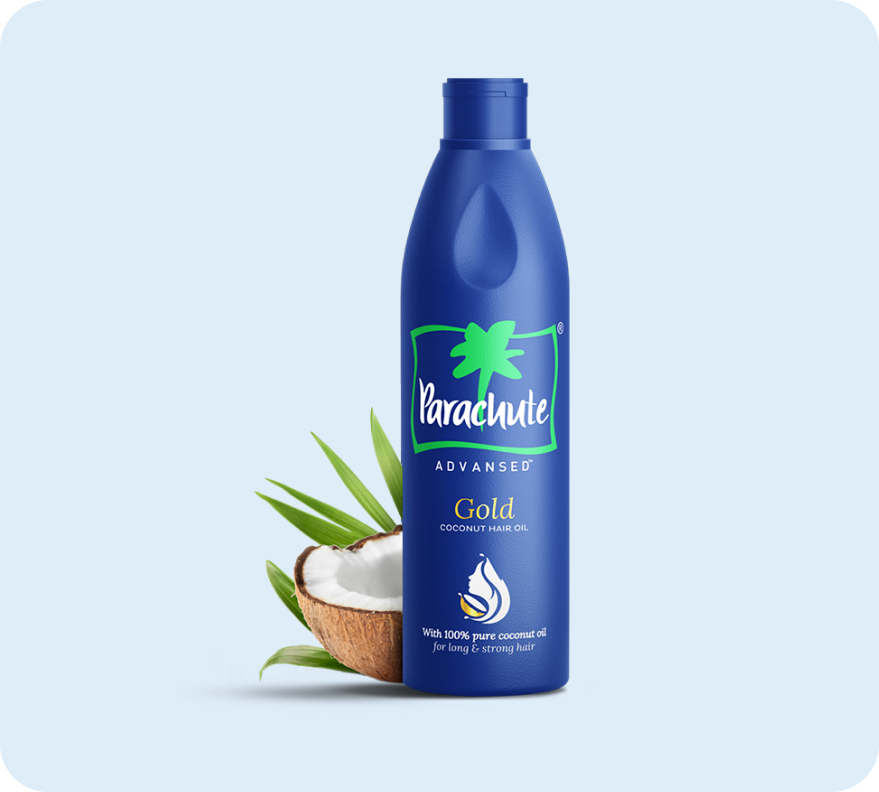

Summer Hair Care: How to Protect & Nourish Locks
Discover essential summer hair care tips to keep your locks healthy, hydrated, and damage-free. Learn how to protect hair from sun, heat, frizz and dryness with hydration, gentle cleansing, and nourishing coconut hair oil routines.
May 14, 2024
8 min
SHARE NOW
Best Hair Care Routine for Healthy Hair (Step-by-Step Guide)
Follow this 6-step hair care routine to keep your hair strong, shiny, and healthy. Discover expert tips for the perfect hair care regimen.
May 7, 2024
9 min
SHARE NOW
5 Common Causes and Solutions for Itchy Scalp
Struggling with an itchy scalp? Uncover the 4 common causes of an itchy head and explore effective solutions for relief. Learn how to address scalp itching problems.
Jun 21, 2024
9 min
SHARE NOW